Whether you’re stuck in a rut or feeling lost, cracking open a book by someone with unique life experiences can offer much-needed insight. We gathered a few of our favorite eye-opening works by artists, scientists, adventurers, and more. These profound and inspiring books pair fresh ideas with hard-earned wisdom, inviting you to see the world and yourself from an entirely new perspective.
Life Lessons From Extraordinary People: 10 Books That Expand Your Perspective

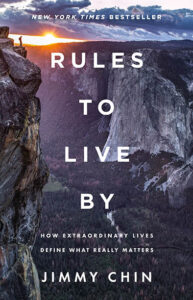
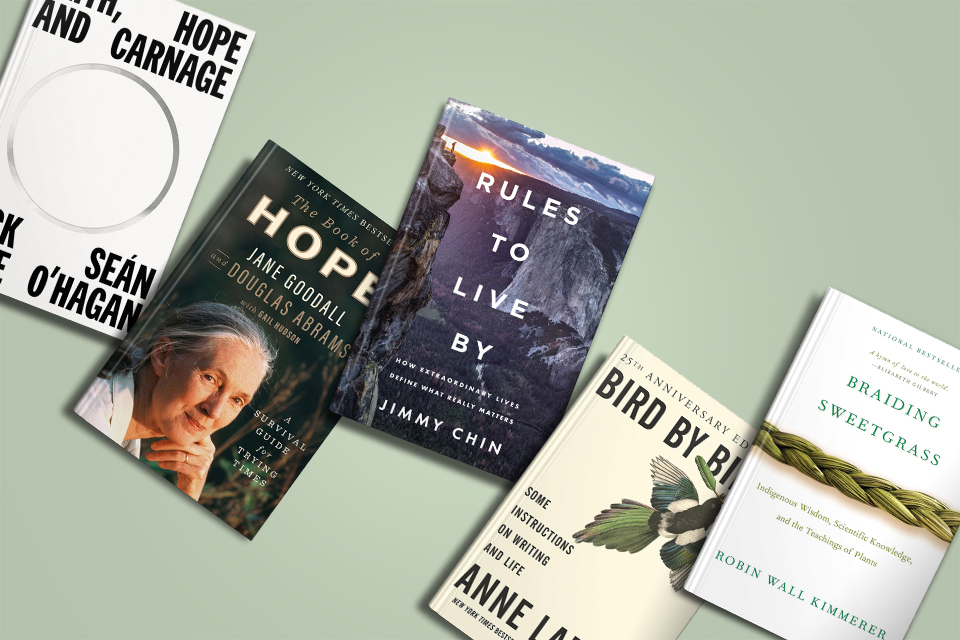
Rules to Live By: How Extraordinary Lives Define What Really Matters
By Jimmy Chin
As a National Geographic photographer, the director of the Oscar-winning documentary Free Solo, and an adventurer in his own right, Jimmy Chin is an expert at crafting compelling human stories. In this fascinating book of conversations, Chin captures the perspectives of ten remarkable artists, athletes, journalists, and activists, including Yo-Yo Ma, Ridley Scott, and Simone Biles. His goal is to synthesize the perspectives and experiences of these extraordinary individuals into a robust set of rules and guidelines that all of us can use. As Chin puts it: Rules to Live By isn’t your typical book of “life hacks,” but rather a collection of honest wisdom about what it means to lead a fulfilling, more meaningful life.

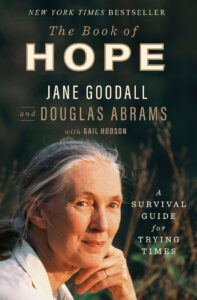
The Book of Hope: A Survival Guide for Trying Times
By Jane Goodall and Douglas Abrams
It’s easy to feel hopeless in the face of extreme political turmoil and the worsening climate crisis, but The Book of Hope offers readers a much-needed antidote to despair and cynicism. In their book, world-famous naturalist Jane Goodall and award-winning writer and filmmaker Douglas Abrams present “Four Reasons for Hope” in response to a planet that appears to be spinning out of control — the human intellect, natural resilience, the power of the younger generation, and the human spirit. A stirring treatise on how we can work together to build a better world, the book harnesses the power of storytelling and human connection to argue that hope and action are the solution to our present uncertainty. If you’re prone to climate doomscrolling, add this inspiring read to the top of your list.

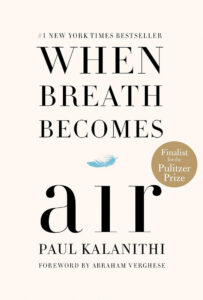
When Breath Becomes Air
By Paul Kalanithi
Published posthumously, this award-winning and widely celebrated illness memoir chronicles the life of Stanford neurosurgery resident Dr. Paul Kalanithi, who lived with and eventually died from lung cancer at age 37. While unquestionably tragic, Kalanithi’s poignant first-person account imparts a unique perspective of a doctor going through an ordeal he so often walked his patients through. At one point, he even finds himself receiving news about his health in the same room where he’d delivered news to his patients. Navigating the experience from diagnosis through the ups and downs of treatment, Kalanithi shares his stirring outlook on medicine, family, illness, and death in When Breath Becomes Air, evoking an emotional and clarifying reflection on mortality.

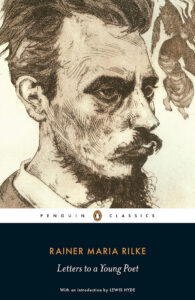
Letters to a Young Poet
By Rainer Maria Rilke
While Rainer Maria Rilke’s love poems are popular as wedding ceremony readings, his compiled letters present less in the way of love advice and more about a life well lived. The Austrian poet’s letters were written to Franz Xaver Kappus, an admirer of Rilke’s who asked for advice on whether to become a poet. The collection was published in 1929, after Rilke’s death. Together, the letters contain timeless advice for anyone invested in engaging fully with art, love, and the beauty of being human. Rilke imparts such wisdom as finding beauty in the mundane, seeking questions rather than answers, and the importance of alone time. A classic for a reason, Letters to a Young Poet is worth visiting again and again.

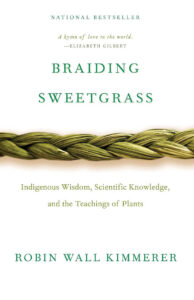
Braiding Sweetgrass: Indigenous Wisdom, Scientific Knowledge, and the Teachings of Plants
By Robin Wall Kimmerer
Since its publication in 2013, Braiding Sweetgrass has become something of a phenomenon, providing readers with an urgent take on climate change from an Indigenous perspective. In it, botanist Robin Wall Kimmerer argues that climate science should not frame nature as something separate from humans but rather embrace nature’s deep and entangled relationship to humans. Kimmerer combines her biological and scientific expertise with a deep appreciation for the spiritual and the connection she sees between the two. Ultimately, she argues that when we ignore our symbiotic relationship with nature, we can lose sight of the fact that we are part of the same interconnected system as the plants and animals we purport to want to save.
Love books?
Sign up for the free Celadon Books newsletter, and get book giveaways, news, and recommendations sent straight to your inbox.

Faith, Hope, and Carnage
By Nick Cave and Seán O'Hagan
Hailed by outlets like Pitchfork and Rolling Stone, Faith, Hope, and Carnage by journalist Seán O'Hagan and prolific Australian musician, actor, and writer Nick Cave takes a fascinating dive into art, grief, love, and hope. Based on more than 40 hours of conversation between the pair, the book charts Cave’s early life through his career, touching on his work ethic, artistic evolution, and personal relationships. Cave first burst onto the postpunk scene in the late 1970s and early 1980s in Australian band the Birthday Party. He went on to lead Nick Cave and the Bad Seeds and is revered as a singular songwriter and performer. In addition to his success on stage, Cave has added actor, screenwriter, filmmaker, and novelist to his résumé. Anyone looking for unique insight from a renaissance artist will find something to connect with in these candid conversations.
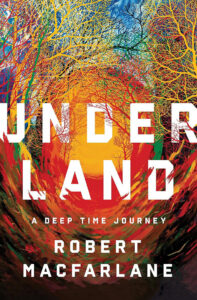
Underland: A Deep Time Journey
By Robert Macfarlane
A generational talent who crafts resonant reflections on the natural world, Robert Macfarlane has written several internationally acclaimed books about landscapes, geography, and human connection. While his works often explore what’s happening on the Earth’s surface, Underland explores our relationship with what lies below in the darkness. Expansive in scope, the award-winning nonfiction book ties geology to what Macfarlane calls “deep time,” spanning from the birth of the universe to a world after humanity. The author journeys down into caves, catacombs, and underground labs in an attempt to understand human impacts on the natural world. Along the way, he tells the stories of history-making explorers who were similarly drawn to what lies under the Earth’s crust, offering readers powerful new ways to look at the world.

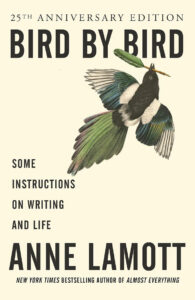
Bird by Bird: Some Instructions on Writing and Life
By Anne Lamott
This popular writing guide has delighted readers and writers for over 30 years. It’s not your typical how-to book: Anne Lamott collects indispensable advice that is practical, provocative, and often very funny. Much of it comes from Lamott’s father, also a writer, who passed his hard-won wisdom on to her. Even if you aren’t a writer, Bird by Bird’s charming and engaging prose is worth the price of admission. The title itself comes from a piece of advice Lamott’s father offered her older brother when he was ten and panicking about finishing a report on birds due the next day. She recalls that he told him to “Just take it bird by bird.” The book delivers this and many more lessons all of us can take when facing a writing project or any other seemingly insurmountable task life throws at us.

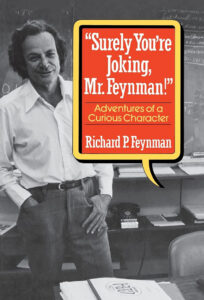
Surely You’re Joking, Mr. Feynman! Adventures of a Curious Character
By Richard Feynman and Ralph Leighton
Published in 1985, Surely You’re Joking, Mr. Feynman gives us a glimpse into the life and personality of the Nobel Prize–winning physicist Richard Feynman. In it, Feynman shakes off the stuffy lab coat of science and academia, delivering accessible explanations of his work and career alongside entertaining anecdotes from his life. Feynman’s eccentricities shine through in this conversational, offbeat memoir based on transcriptions of conversations with his friend Ralph Leighton about everything from fraternity pranks and youthful adventures to his time working on the Manhattan Project and eventually winning the Nobel Prize. In addition to
reflecting on his eventful life, he offers a critique of science and scientists, advocating for more engagement and connection with the public.

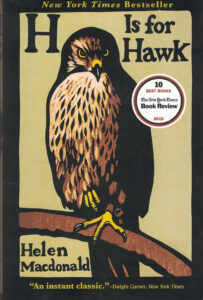
H Is for Hawk
By Helen Macdonald
In H is for Hawk, poet and naturalist Helen Macdonald recounts her determination to become a falconer in the wake of her father’s death. The compelling nature memoir follows Macdonald’s yearlong journey training Mabel the Eurasian goshawk in order to follow in the footsteps of her father, a photojournalist and falconer himself. The runaway bestseller has captivated readers, won awards, and even inspired a film adaptation starring Claire Foy. Audiences are no doubt entranced by Macdonald’s unique voice and genre-defying storytelling, in which she and her equally fierce bird explore the pain and beauty of being alive.
Share with your friends
Related Articles
Celadon delivered
Subscribe to get articles about writing, adding to your TBR pile, and simply content we feel is worth sharing. And yes, also sign up to be the first to hear about giveaways, our acquisitions, and exclusives!
Celadon delivered
"*" indicates required fields