It starts as a pique of interest, blooms into a gripping infatuation, and then starts to take root, until every thought and action revolves around this source of intense fascination. That’s obsession.
And if we’re not careful, it can take us over.
No doubt the precarious nature of obsession is what makes it such a compelling plot device. Will the protagonist be able to hold on and harness their obsession to achieve their goals? Or will they teeter over the edge and descend into madness?
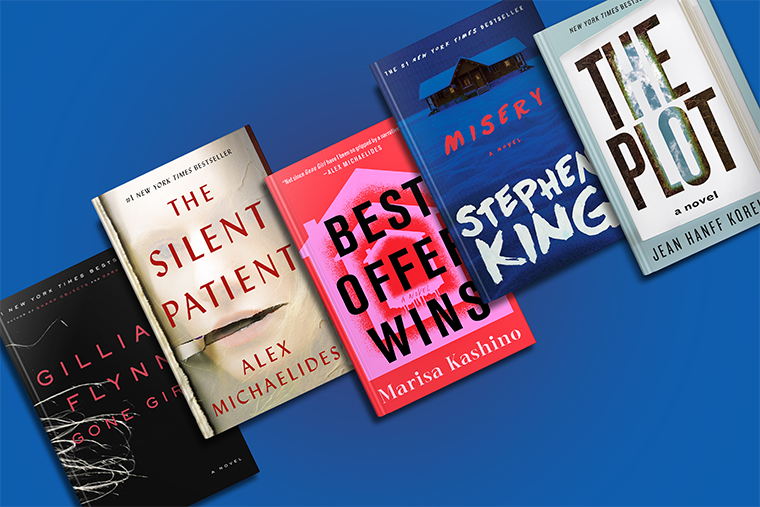
The thriller genre continuously offers up excellent examples of obsession as a propulsive theme. Marisa Kashino’s new thriller Best Offer Wins, for instance, introduces a protagonist driven to — often questionable — extremes in her obsessive quest for the house of her dreams. Her single-minded status-chasing sweeps the audience along through the narrative.
From acts of vengeance to toxic romances, obsession has many faces.
Obsession as a Plot Driver:
It’s a force that’s been driving narratives since The Iliad. Obsession is so ingrained into our stories, it’s basically a classic as far as motivators go. But what makes it so effective at driving the plot forward?
For one, obsession is human, and therefore it’s a relatable and believable motivation. An obsessed character is allowed to do things that a more rational character probably can’t get away with, which means the story can keep moving forward where it might otherwise start to lose momentum.
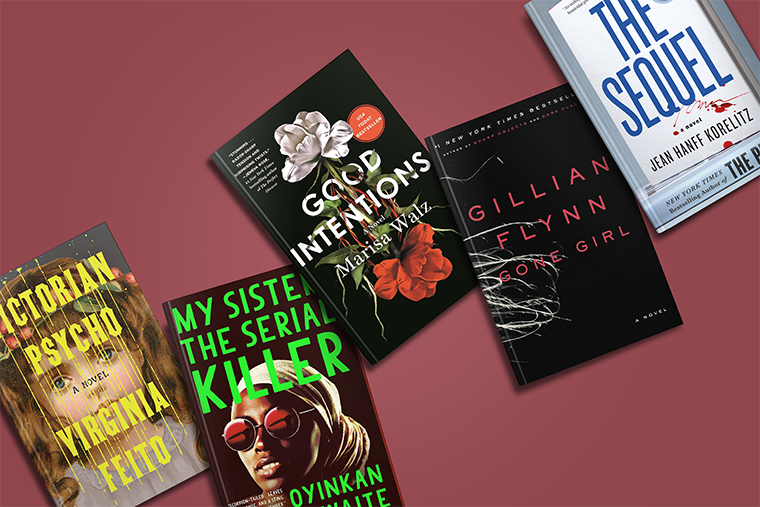
This is especially effective in mysteries and thrillers, genres that explore the darker elements of humanity and dip into extreme actions and behaviors. If Annie weren’t so obsessed with Paul Sheldon’s books in Misery, for example, that story would have ended with Paul being dropped off at the closest ER. But she’s obsessed, so instead we get another bestseller from Stephen King.
And as obsession is born of emotion — grief, anger, love, desire — it offers insight into what makes the characters tick, highlighting their compelling complexities in a way that gets the reader invested in their story. We just have to know what happens: Does he get the girl he can’t stop thinking about? Does she ever figure out that he was her stalker the whole time? Does the grieving mother get her revenge? Does the community discover there’s a fraud in their midst? Does the one-legged captain ever get that wily whale? We have to know! It’s like microdosing obsession. We just borrow the character’s single-mindedness for the time it takes to finish a book.
The Many Faces of Obsession:
Obsession is a bit like a weed — it can crop up just about anywhere, which makes for a wide range of propulsive mystery and thriller obsession-based subgenres.
Psychological Obsession
Obsession that revolves around a particular psychosis or mental fascination can make for a stunning psychological thriller. The Silent Patient by Alex Michaelides, for example, weaves a spellbinding narrative about a woman who brutally murders her husband and then refuses to speak a word afterwards, and the criminal psychotherapist whose obsessive desire to crack her threatens to break them both.
Workplace Obsession

The unquenchable desire for success and recognition can turn a workplace slice-of-life into a workplace thriller. When a character is obsessed with climbing the corporate ladder or launching a high-achieving career, who’s to say what they might be willing to do to get there? Like in Jean Hanff Korelitz’s The Plot, wannabe novelist Jacob Finch Bonner goes to what any sane person would consider unhinged lengths to make the bestseller list. (Of course, someone knows his secret… and the plot thickens.)
Romantic Obsession
Whether it’s a mutual adoration or a one-sided infatuation, romantic obsession is a well-utilized theme within mysteries and thrillers. Love is generally considered a virtuous motivation, but with just a little tweaking, it can slip into something darker and more scintillating. In Caroline Kepnes’ You, Joe Goldberg is less Prince Charming and more obsessive stalker. With his sights set on Beck (through her apartment window, from behind a bush, etc.), Joe orchestrates a “chance meeting” with the object of his desire, and continues to manipulate the course of their relationship. Meanwhile, Beck thinks she might’ve met the one. Getting into Joe’s obsessive head keeps the audience absolutely riveted.
Class Obsession or Obsession with Social Status
Social climbing is a tale as old as time. From The Canterbury Tales to Vanity Fair to The Secret History, we’ve seen class obsession spur stories for centuries. The desire to ascend social rankings and flaunt status is the basis for so many thrilling narratives, like Patricia Highsmith’s classic The Talented Mr. Ripley, wherein con man Tom Ripley’s all-consuming obsession with the life, assets, and opportunities of the wealthy playboy Dickie Greenleaf drives Tom to sociopathic exploits. That lust for status is just as prevalent in modern settings, too, as seen in Best Offer Wins by Marisa Kashino, a new thriller that sets a seemingly sane woman on a quest for her $1.3 million dream house in the “perfect” upper-class neighborhood—an endeavor that spirals into obsession and leads her to take increasingly outlandish measures.
Obsession with Control
The need to be in control has served as the motivation for an endless lineup of villains, anti-heroes, and protagonists alike. Sometimes that looks like fierce independence, but sometimes it’s more like masterful manipulation. In Gillian Flynn’s lauded thriller Gone Girl, for example, Nick Dunne grasps desperately for purchase as he faces the quickly spiraling case against him regarding his wife’s disappearance, while it is revealed that he may be contending with a far more cunning puppet master. Obsession with control is a malleable and compelling theme that can effectively drive a plot forward from multiple angles when wielded well. In the classic Gothic novel Rebecca by Daphne Du Maurier, the young heroine—newly wed to a wealthy widower—attempts to hold her own against the estate’s manipulative housekeeper, even as the late lady of the house seems to have every character still firmly under the thumb of her memory.
Why We’re Drawn to Obsession and Obsessive Characters
As we said before, obsession is human, and that makes it fascinating in its relatability. There’s a truth to it that audiences can enjoy exploring through the lens of obsessive characters.
Generally speaking, we, as fairly well-adjusted people, can make the rational decision not to comply with any darker compulsions we may experience, but it sure is fun to indulge in the idea of what it would be like if we did. The idea of all-consuming obsession can seem romantic in theory, which makes it a reliably riveting plot device. Even when obsession leads characters into chaos or questionable morality, it’s like watching a trainwreck—it’s hard to look away.
Final Thoughts
There’s something alluring about stories that give in to the over-the-line pull of obsession. In reality, obsessive behavior is actually far more concerning than romantic, so it’s unsurprising that we turn to fiction to get our obsession fix. The safety net of fiction means we get to explore the many corners of human obsession without any real-life ramifications. And stories driven by obsession have a way of captivating the reader and keeping the pages turning with the characters’ intensity and the hyper-focused goal of the narrative. We’ll never get hung up thinking, That’s not rational, why would they do that? because it doesn’t have to be rational—it’s obsession.