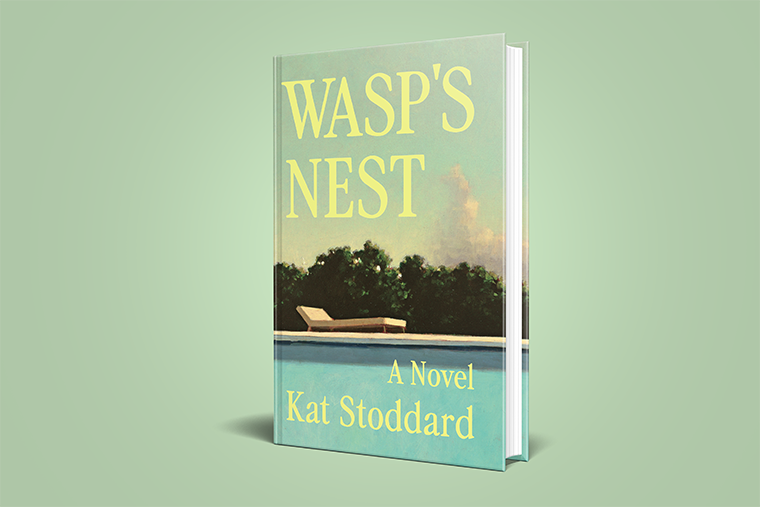
Wasp’s Nest is a fast-paced, chaotic, and heartfelt story that takes place over one chaotic wedding week in Cape Cod with a love triangle that no one —least of all the bride— bargained for.
INTERVIEW:
Congratulations on your debut novel, Wasp’s Nest! The book opens with a line from The Philadelphia Story. What drew you to revisit that classic story and update it for a modern audience?
Kat: I’ve been a fan of the movie since I was a kid, and the dynamic between the three main characters (played by Katharine Hepburn, Cary Grant, and Jimmy Stewart) is so rich and queer-coded. The tension is triangulated, each side informing the other two sides. Part of what fascinates Mike (Stewart) about his attraction to Tracy (Hepburn) is her past with Dexter (Grant). Dexter is delighted by Tracy’s repartee with Mike. Tracy enjoys playing the men off each other, and the chemistry between the two male leads is a big part of what inspired me to lean into that relationship when writing this retelling.
The story is told through three alternating characters: Tess, the bride-to-be; Peter, an artist and Tess’s ex-husband; and Mitch, an aspiring writer and Peter’s wedding date. Why was it important for the reader to understand these three characters’ viewpoints, in particular?
Kat: I think all three of the point-of-view characters are struggling to accept something about themselves. I enjoyed playing with the tension between what they can acknowledge to themselves, what they can acknowledge to other people, and what other people can observe of them. Tess has an idea of what her life should look like, and she’s trying to reconcile that image with what she actually wants. Peter has spent years in recovery, but he’s entered a very stressful situation, so he’s very carefully untangling his needs and his desires. And Mitch is just beginning to figure out who he is as a person, as an artist, as a queer man. It’s the combination of the three of them that sets the events of the week in motion. At a certain point, each character realizes the situation is outside their control, and they have to either make peace with that or rage against it.
The story takes place within a wealthy, Waspy setting, at a summer home on Cape Cod. How did queerness and heightened emotional connection function as a challenge—or a complement—to those social expectations?
Kat: Developing the Cape Cod house was so fun—I spent a lot of time looking at real estate listings and mapping the layout, and it became very real to me. It’s a second home for Tess and her family, but it feels like a mansion to Peter and Mitch, representing a touchpoint for their divergent experiences. There’s a cultural repression inherent in this Waspy setting, and the fact that many of the central characters fall outside that dominant culture (through queerness, race, and class) heightens the tension for everyone. Working-class Midwesterner Mitch is a fish out of water, and despite having been in Tess’s world before, so is Peter. During their marriage, Peter could have tried to assimilate into Tess’s world, but that never interested him. I think his authenticity is part of what appealed to Tess—for whom repression was a way of life—when they met. As the author, I’m occupying a similar place to Peter and Mitch, observing these people from the outside. It can be very satisfying to watch rich people behave badly (in fiction), but apart from the entertainment element, we can all relate to the dissonance between what other people expect of us and what we ourselves want out of life.
The book’s description says that “real love triangles connect on all sides.” What themes did you want to explore through this messy love triangle? What does the book suggest about how—and why—we choose the people we love?

Kat: A lot of what I wanted to explore was the possibilities that exist outside the culturally acceptable relationship boxes, which is monogamous heterosexual marriage with children. We see glimpses of several marriages here, all of which inform the way Peter, Tess, and Mitch view the prospect of their own marriages. Tess watches her older sister marry and create a life almost identical to their parents’, which she sees as a very passionless and transactional relationship. She also watches her Aunt Julia find lasting love with her third husband, a man who doesn’t come from their world. Peter’s sobriety journey is hugely impacted by the queer community he grounds himself in, which he finds through his sponsor Eileen and her wife Laurie. We put so much pressure on our partners to be everything to us. I think that whether your relationship is traditionally monogamous or not, by cutting yourself off to other types of intimacy—platonic intimacy included—you deprive yourself of so much.
What do you hope readers see in Peter, Mitch, and Tess that they might not find in more conventional romantic narratives?
Kat: Second chances are a big thing I wanted to explore in this book. I’m really drawn to characters with established relationship dynamics and characters who reunite after time apart. Allowing space for growth, both in ourselves and others, is difficult but so crucial. There’s an element of coming-of-age with Mitch specifically too, who could be considered a “late bloomer” by realizing his queerness in his twenties. It’s scary and disorienting and inconvenient—but also exciting and liberating—to be on the precipice of a new life in the way that Peter, Mitch, and Tess all are. I think everyone, particularly queer people, can relate to navigating unexpected shifts in self-knowledge. It’s challenging to allow yourself grace when you’re focused on culturally mandated milestones. I hope readers see this book as a love letter to finding happiness at your own pace and in your own way, especially when that authenticity is hard-won and messy.
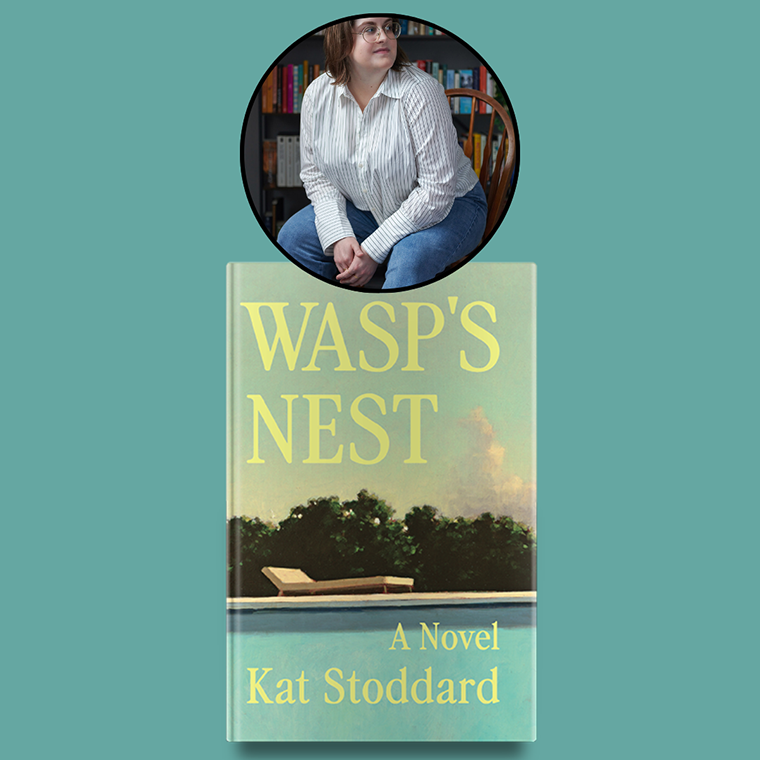
Kat Stoddard is the author of Wasp’s Nest.
Kat Stoddard lives with her daughter in Baltimore. Wasp’s Nest is her debut novel.