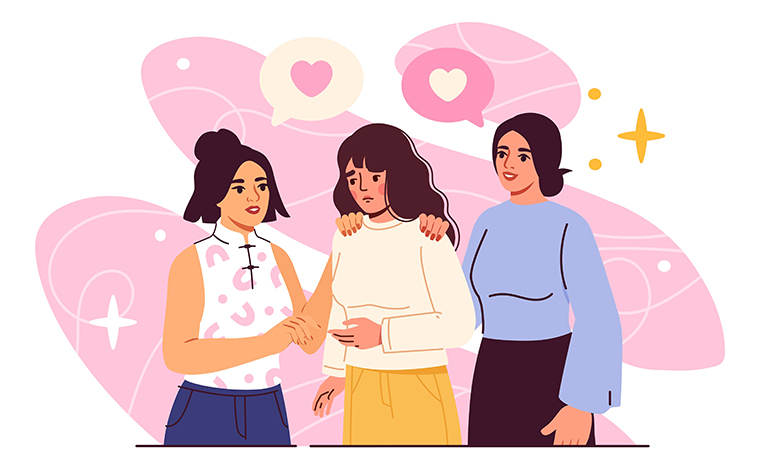
Calling all frenemies and fake friends, flaky and fair-weather friends. We celebrate female friendship, but our lives are full of gloriously terrible friends.
I was drawn to write Bad Friend after a catastrophic friendship breakdown in my early 30s. Surrounded by glossy idealized images of female friendship, I couldn’t find my own difficulties in any of them. So I set out to uncover the hidden history of female “bad friends,” and I found recognition in women who broke the rules they didn’t write and became the friends they needed to have and be.
Here are four of my favorite fictional bad friends. . .and one real one.
The Traitor
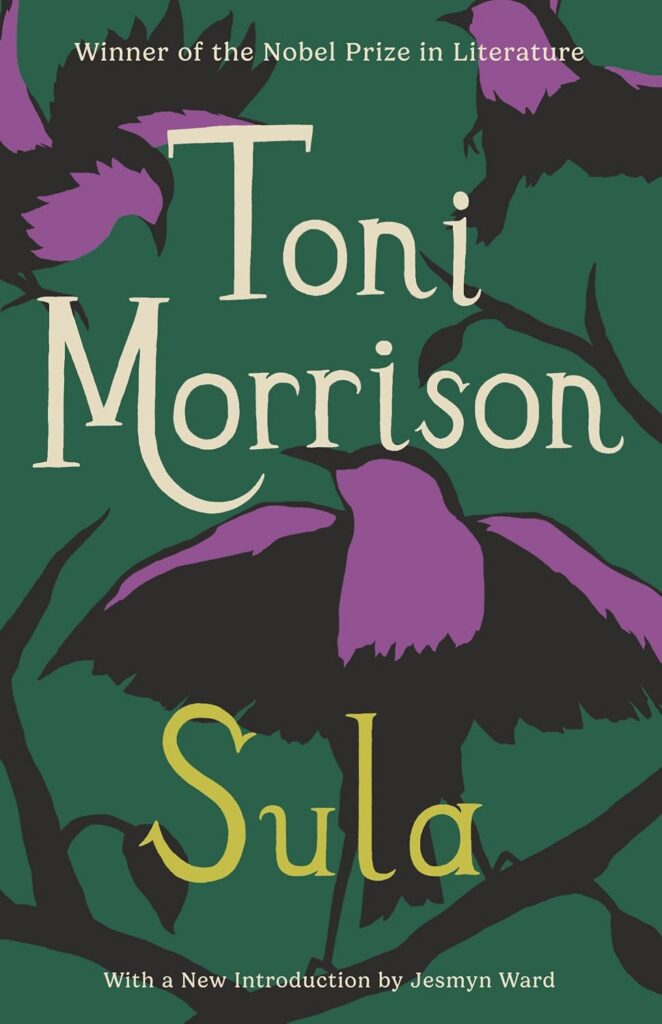
Sula in Toni Morrison’s Sula
When daring, rebellious Sula meets Nel at Garfield Primary School, their lives become entangled and identities fused: “They used each other to grow on,” Morrison writes. It is precisely this intense overidentification that leads to the great betrayal at the novel’s heart. The dangerously impulsive Sula is a template for later characters, like Lila in My Brilliant Friend, but Morrison’s insight cuts deeper than friendship as heroine worship. While the intense mirroring of female friendship can create intimacy, its blurred boundaries can also go dangerously awry.
The Work Rival
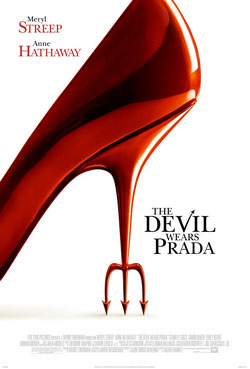
Emily from The Devil Wears Prada
Emily, assistant to a tyrannical fashion editor, is so fixated on winning her boss’s approval that when new girl Andy arrives, her territorial antennae spin out of control. Played by Emily Blunt with wounded dignity, she wages a campaign of subtle undermining and petty treacheries. Even if you guiltily recognize a hint of Emily’s insecurity in yourself (I do), the film offers consolation: Her behavior springs less from moral failure than from her poisonous workplace, and in the sequel, camaraderie beats competition in the end.
The Sulker
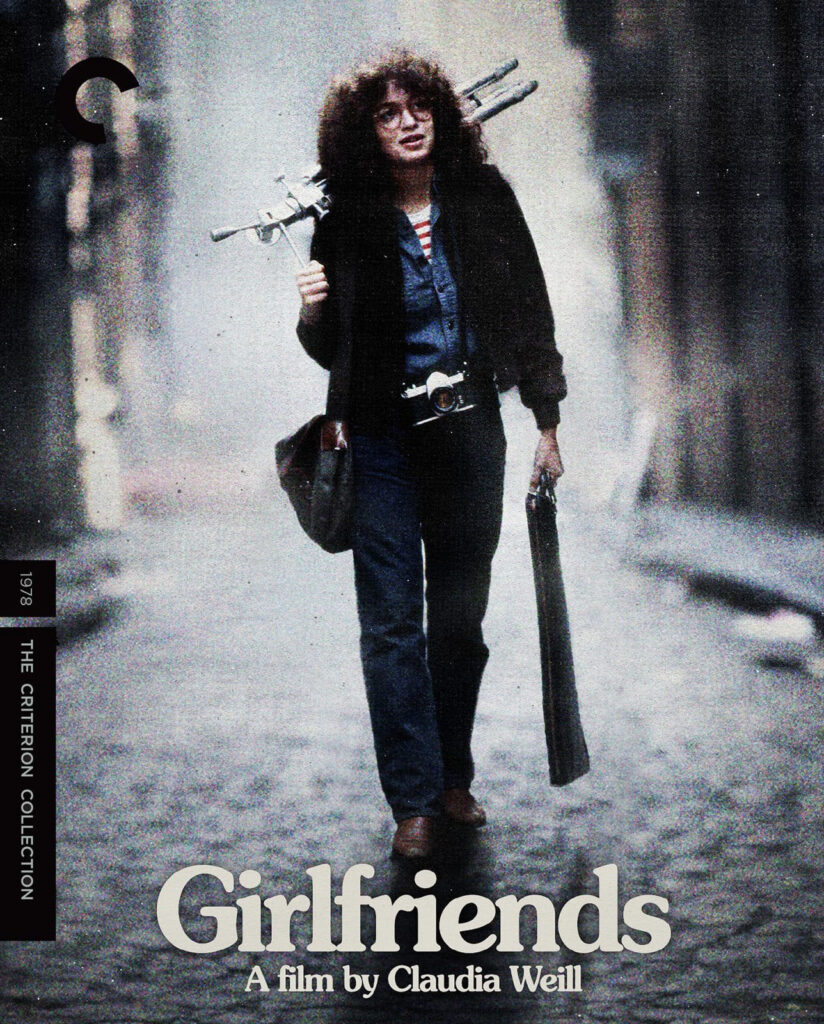
Susan Weinblatt in Girlfriends, directed by Claudia Weill (1978)
Before Girls and Frances Ha, there was Girlfriends. Claudia Weill’s film follows Susan, a struggling photographer, whose roommate Anne abruptly announces she’s marrying and moving out. Susan is plunged into turmoil, avoiding Anne and behaving stiffly when she does visit. The conventional reading is that Susan envies Anne’s husband and baby, but the film reveals something more raw — the injury and grief of being suddenly de-prioritized. Weill wanted to show that female friendship could be as “painful and difficult as a love affair,” yet Susan and Anne face a transition few love affairs would survive.
The Flake
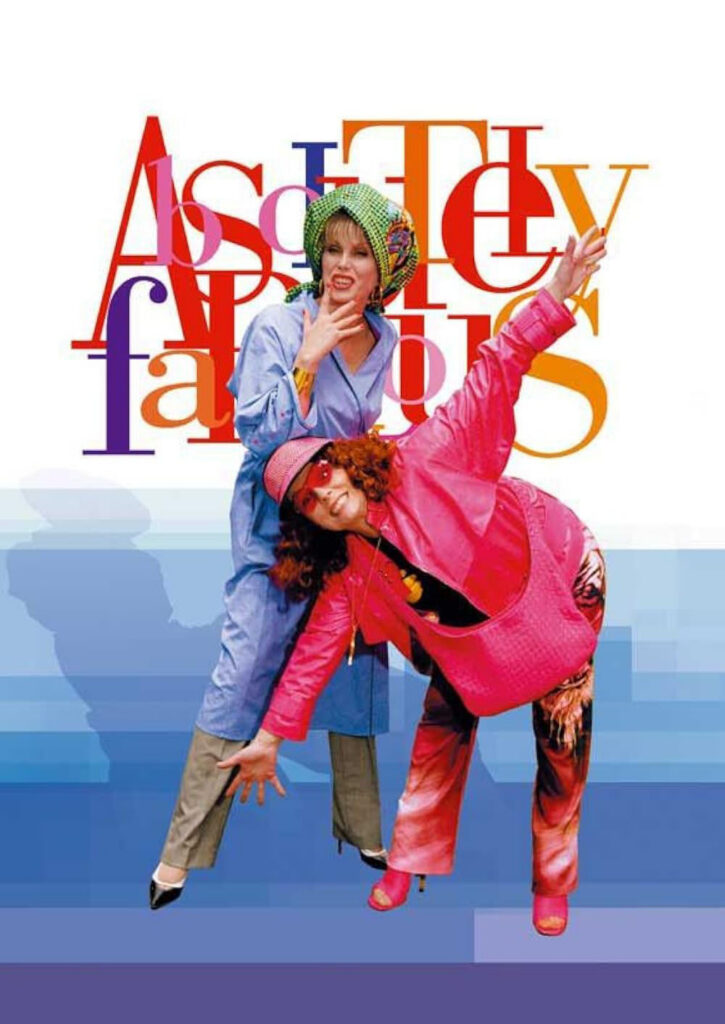
Patsy in Absolutely Fabulous
We tell ourselves we’ll grow up and become a reliable friend, returning calls, arriving on time, remembering birthdays. Patsy Stone in Absolutely Fabulous is magnificent proof that some things should never change. Perpetually late, drunk or hungover, forever scrounging money and cigarettes, she is an appalling influence on Edina. But I love her for how fiercely she defends Edina’s freedom against a disapproving mother and priggish daughter. However flaky, our oldest friends are memory boxes, keeping alive the parts of us that ordinary life threatens to bury.
The One Who Won’t Let Go
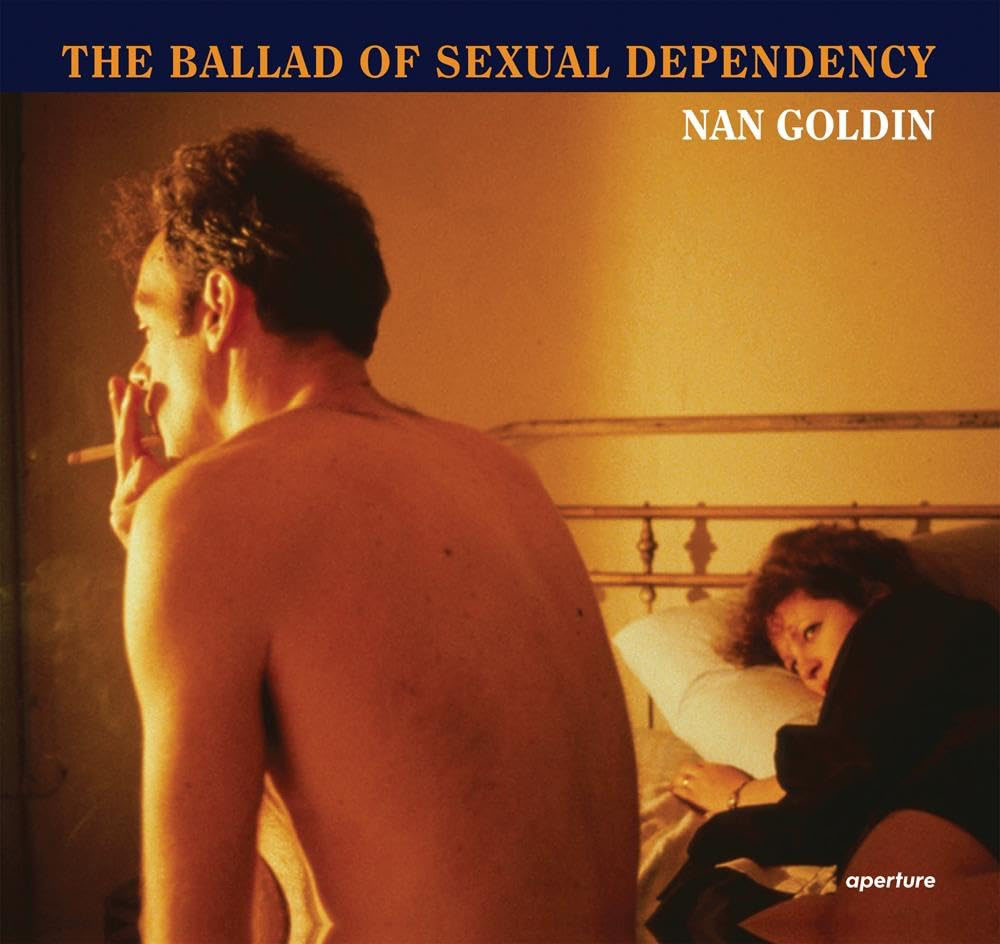
Nan Goldin, The Ballad of Sexual Dependency
The Ballad of Sexual Dependency is photographer Nan Goldin’s paean to the wild nocturnal Lower East Side of the ’70s and ’80s. Limbs entangled, faces pressed together, its 127 photographs capture a fiercely idealistic, liberated chosen family, ultimately forced to confront the tragic realities of addiction, breakdown, and the AIDS epidemic. Goldin admitted she romanticized these friendships when younger, putting too much pressure on them and struggling to let go as lives altered and people drifted. Age taught her what friendship can survive — and what it can’t.