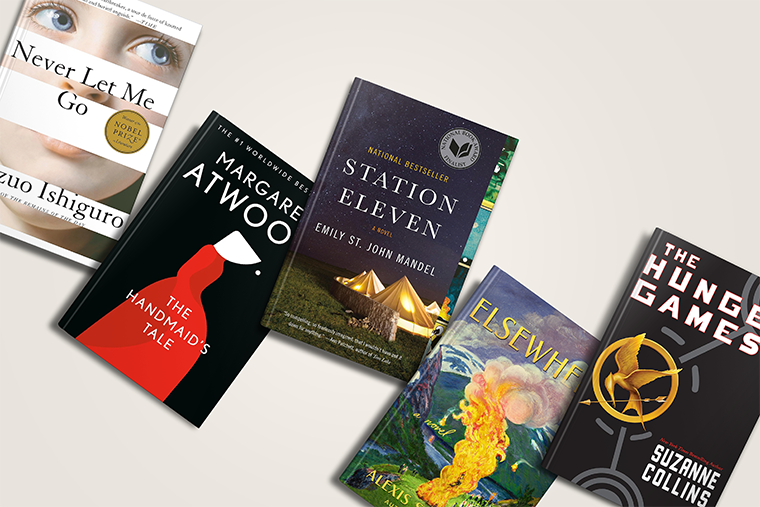
From George Orwell’s 1984 to Suzanne Collins’s The Hunger Games, authors have crafted dystopias in fiction for over a century. These evocative narratives, set in realms both unrecognizable and uncomfortably familiar, speak to urgent societal concerns and warn us of potential consequences if we don’t address them in time.
What Is Dystopian Fiction?
A subgenre of speculative fiction, dystopian fiction often grapples with major collective societal anxieties. The term “dystopia” is derived from the Ancient Greek for “bad place” and typically refers to a fictional setting characterized by dehumanization, totalitarianism, and environmental or societal collapse. Dystopian authors set their stories in imagined futures or alternate presents to explore pressing social, cultural, philosophical, and political issues like climate change and the perils of technological progress.
While characters and plot are crucial in dystopian fiction, it’s the world-building that drives the story and illuminates its dark themes of fear and distrust. Dystopian settings are often characterized by a “fatal flaw,” whether it’s a technology that backfires, like precognition in Philip K. Dick’s Minority Report, or a mysterious phenomenon that alters a community, like mothers vanishing into thin air in Alexis Schaitkin’s Elsewhere.
Like many speculative narratives, dystopian fiction is political. It doesn’t merely critique or satirize society; it often serves as a warning about what’s possible if severe conditions of the present day — be it mass incarceration, a tyrannical state, or runaway technological advancement — continue unchecked and spiral out of control.
Many classic dystopian works were written by authors as a way to reckon with political upheavals of the time. For instance, Ray Bradbury’s Fahrenheit 451, a novel about the outlawing and burning of books, was written during the height of the McCarthy era, in which political persecution and the silencing of dissent ran rampant in the United States. Bradbury’s barbed critique of American politics is a reason why the book has been both studied and banned for decades.
The Origin of Dystopian Fiction
In 1516, Sir Thomas More wrote Utopia, a satirical take on European society set in a perfect island community. The title is actually tongue-in-cheek; it can be translated from its Ancient Greek root to mean both “good place” and “no place.” In other words, humans are incapable of forming a perfect society.
Despite More’s wordplay, “utopia” has come to mean a place or state of being where everything is perfect. Dystopian fiction, therefore, is an inversion of this notion that highlights the impossibility of achieving a utopian state. In fact, one of the greatest works of dystopian fiction, Aldous Huxley’s Brave New World, was itself a satire of popular utopian fiction, warning of the dangers of trying to build a world without problems or friction.
As for the emergence of the term “dystopia,” historians trace this back to Lewis Henry Younge’s Utopia: Or, Apollo’s Golden Days, published in 1747, and to John Stuart Mill, who in 1868 delivered a speech to the British House of Commons criticizing the treatment of Ireland by the UK government:
“It is, perhaps, too complimentary to call them Utopians, they ought rather to be called dys-topians, or cacotopians. What is commonly called Utopian is something too good to be practicable, but what they appear to favour is too bad to be practicable.”
Prominent examples of early dystopian fiction include Jack London’s The Iron Heel, a 1906 novel about class struggle and authoritarianism that influenced George Orwell’s 1984 and is often considered the first modern dystopian novel, and Yevgeny Zamyatin’s We, written in Soviet Russia in 1920, which depicts a fully conformist future where there is no privacy and people act in unison.
The genre continued to grow throughout the 20th century alongside speculative and contemporary science fiction narratives. Today, dystopian fiction is synonymous with near-future societies defined by fear, subjugation, surveillance, conformity, and survival.
Types of Dystopian Fiction
Dystopian fiction spans a range of niche subcategories, from unsettling to downright terrifying. Here are just a few of the most popular types.
Post-Apocalyptic Dystopian Fiction
These narratives are set in the wake of a major natural or supernatural catastrophe. Whether the world is ravaged by an asteroid, a global flu, or a zombie infestation, characters must survive in a dark new reality defined by harrowing conditions and a decimated population. Some popular examples of post-apocalyptic fiction include Cormac McCarthy’s The Road and The Parable of the Sower by Octavia Butler.
Feminist Dystopian Fiction
Feminist dystopian fiction centers on gendered oppression and often deals with themes like bodily autonomy, reproductive justice, and intersecting issues like racism, classism, and ableism. Margaret Atwood’s The Handmaid’s Tale is one of the most famous examples of feminist dystopian fiction, but the genre continues to be popular and incisive in equal measure.
A recent example is Alexis Schaitkin’s Elsewhere, which explores the challenges of motherhood in a dystopic mountain village where mothers often disappear into thin air.
Techno-Dystopian Fiction
A popular genre in film and television, perhaps best associated with the TV series Black Mirror, techno-dystopias are often set in a near-future where technology has spiraled out of control.
If dystopian fiction is warning readers about possible societal or political fates, techno-dystopias serve as dire warnings about unchecked technological advancement, in which a once-promising technology turns into a nightmare. This subgenre often addresses the ethics of personhood, technological dependence, and privacy, and it can overlap with other literary subgenres, such as cyberpunk. Some popular examples include William Gibson’s Neuromancer and Dave Eggers’s The Circle.
Young Adult Dystopian Fiction
YA dystopias had a major moment in the mid-2010s and continue to be popular in both literature and film. Suzanne Collins’s The Hunger Games is a prime example, although the rise of YA dystopian fiction is often traced back to the 1993 publication of Lois Lowry’s The Giver. These books are popular among young adults, who can relate to being bound by rules and domineering authority figures. They also act as a springboard for emerging political awareness.
The Best Dystopian Fiction Books
Ready to delve into dystopian fiction? Here are a few of our favorites, a mix of classics and more recent works.

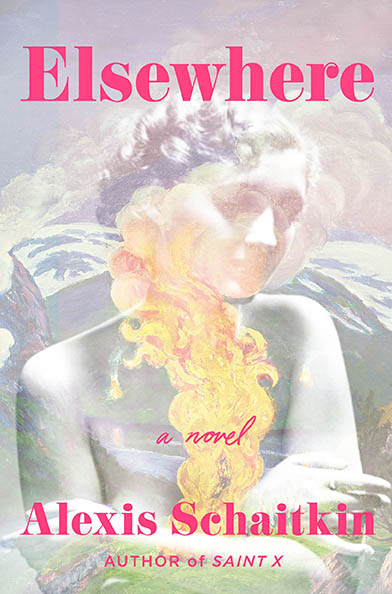
Elsewhere by Alexis Schaitkin
Alexis Schaitkin’s haunting meditation on motherhood explores themes of joy, self-doubt, loss, and autonomy through a distinctly dystopian lens. Elsewhere is set in an isolated mountain village where mothers vanish into thin air without explanation. Those who are left behind must grapple with the disappearances and the influence of their mysterious community, as many prepare for motherhood themselves.
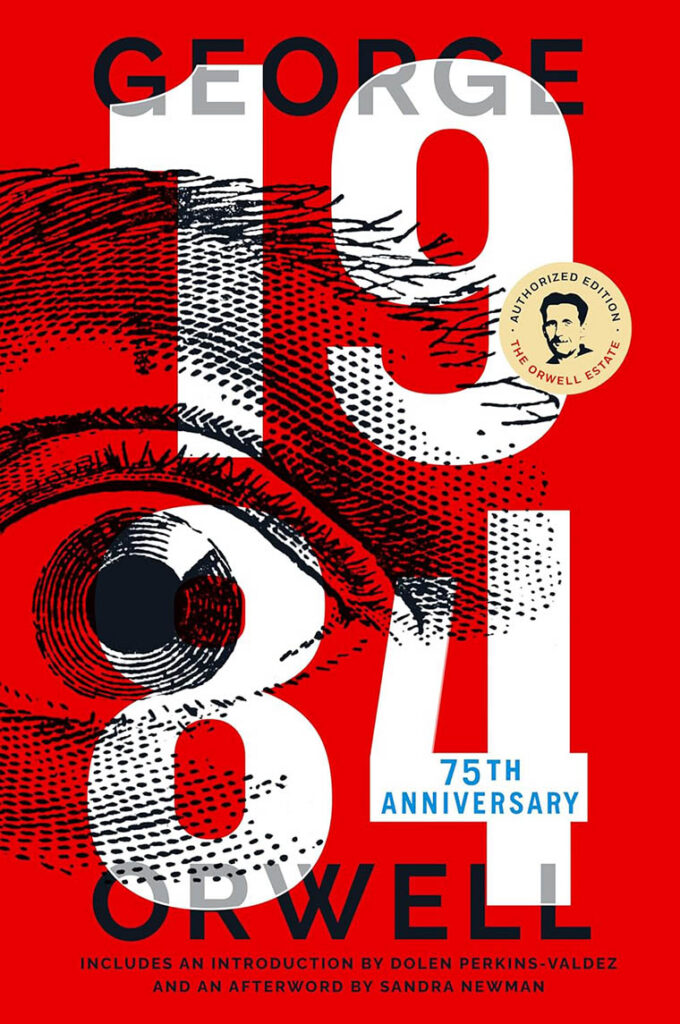
1984 by George Orwell
First published in 1949, George Orwell’s 1984 warns us of the precarity of the present and the dark possibilities of an authoritarian future. The classic novel explores themes of surveillance, totalitarianism, and propaganda in Big Brother’s repressive regime, while its language continues to influence the cultural discourse over power, government, and truth.
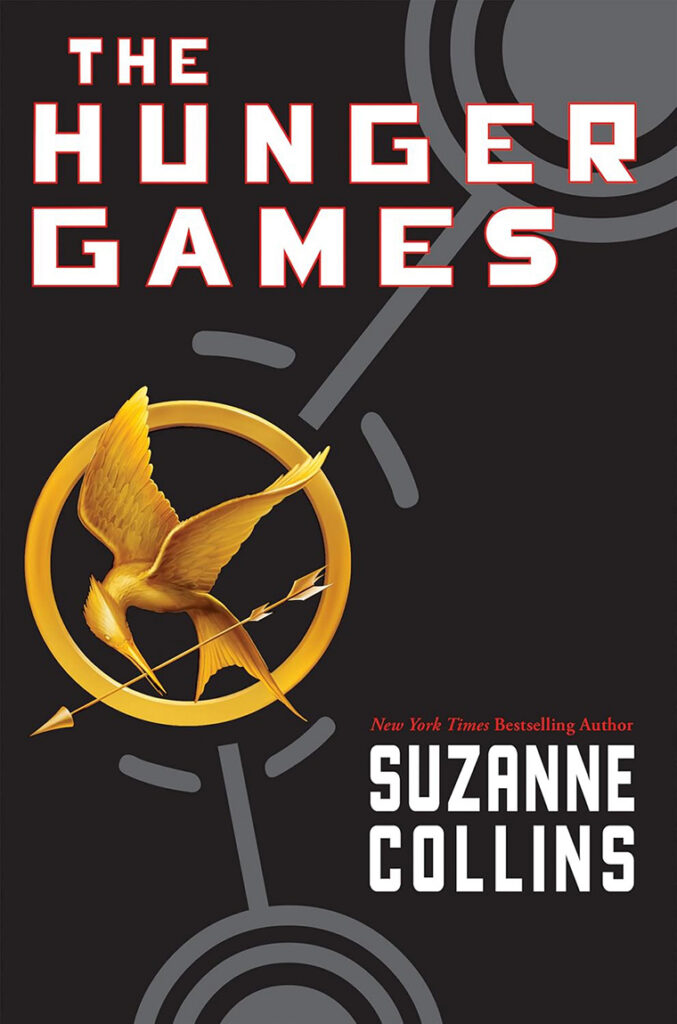
The Hunger Games by Suzanne Collins
The Hunger Games series follows Katniss Everdeen, a teenager who takes her younger sister’s place in a lurid competition that pits teenagers against one another in a fight to the death. Collins’s work combines the dystopian genre’s complex darkness with the spirit of young adult fiction to create an inspirational and educational look at the dangers of wealth inequality, government oppression, and media control.
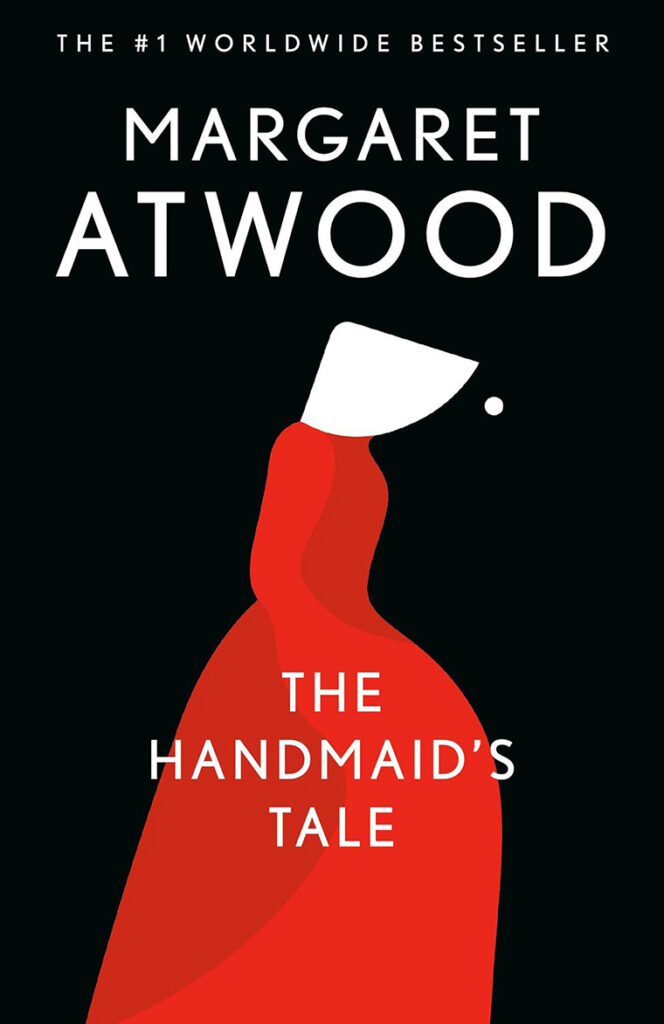
The Handmaid’s Tale by Margaret Atwood
One of the great works of feminist dystopian fiction, Atwood’s look at gendered oppression and bodily autonomy remains as relevant as it is harrowing. Atwood has explained that the book should not be seen as a prediction but as a reflection of the conditions that already exist. The story is set in Gilead, a patriarchal theocratic regime that creates a class of women forced to bear children for wealthy families.
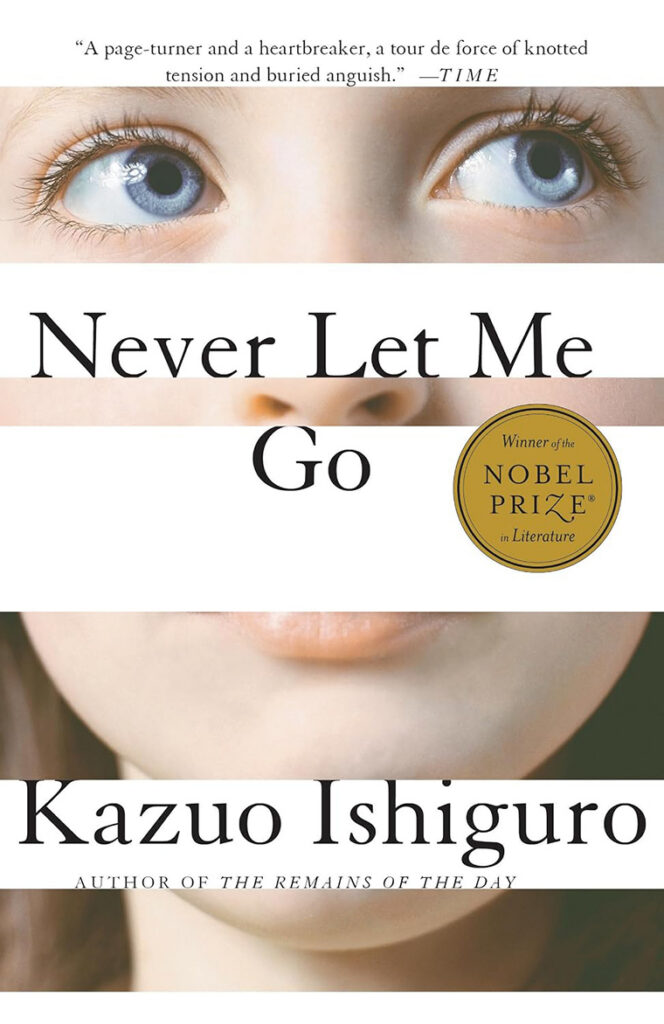
Never Let Me Go by Kazuo Ishiguro
While much dystopian fiction takes place in somewhat unfamiliar settings, Never Let Me Go is set in a world eerily close to our own. A “carer” named Kathy reflects on her time at an English boarding school, where she and her friends discover something about their futures that forces them to confront questions of identity and their true purpose.
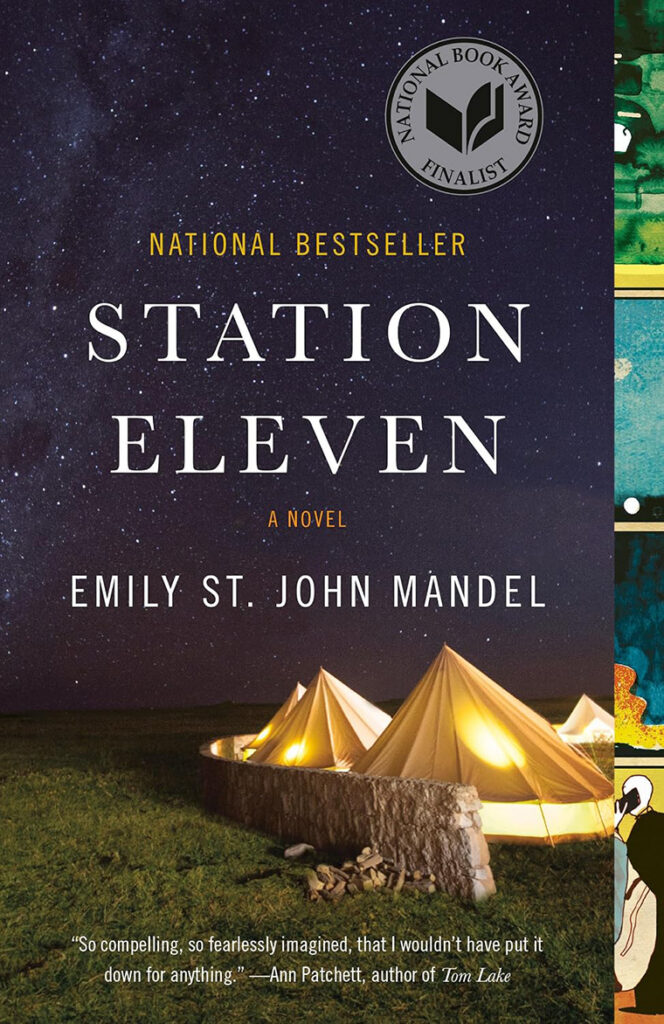
Station Eleven by Emily St. John Mandel
A story about humanity and the importance of creativity, Station Eleven provides a welcome respite from the bleakness at the heart of many dystopian novels. Set in the wake of a global pandemic that wipes out 98 percent of the population, this surprisingly hopeful novel follows a troupe of Shakespearean actors on a mission to keep the arts alive in the direst of circumstances.