
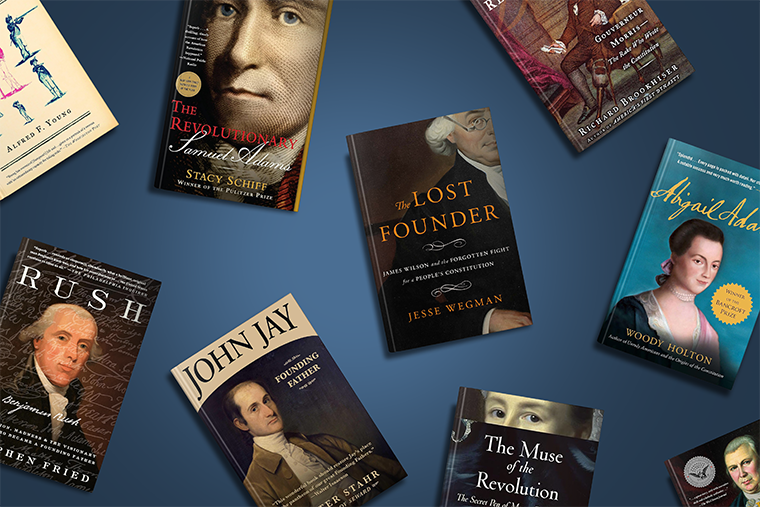
July 4, 2026, is a big birthday for America. It marks the 250th anniversary of the signing of the Declaration of Independence and the founding of our nation. Fun fact: The 250th anniversary is also known as a semiquincentennial, so be sure to throw that word around at your summer BBQs.
As we celebrate the milestone and reflect on the country’s history, it’s important to remember the founders who played vital roles in the American Revolution yet are too often left out of traditional historical narratives. We all know George Washington and Ben Franklin, but what about James Wilson, John Jay, or Deborah Sampson?
From physician patriots and revolutionary financiers to influential first ladies, we bring you a list of underrated American founders — with fascinating history book recommendations to match. Who knows, perhaps one of the eye-opening reads below will inspire the next Great American Musical!
James Wilson: The Forgotten Founder
James Wilson was a Scottish American legal scholar who wrote some of the earliest and most influential arguments against British rule. His writings greatly influenced the language and philosophy of the Declaration of Independence — including its iconic opening line, “We hold these truths to be self-evident, that all men are created equal.” Wilson’s important writing didn’t end there, either. He was a key member of the Constitutional Convention who went on to coauthor the first draft of the U.S. Constitution with James Madison.
Wilson believed fully in a government anchored by “We the People”–style democratic ideals, arguing that the newly formed nation needed a strong central government and a president at its helm to prosper. He also advocated that the president be elected by popular vote and that the Senate be apportioned by population. For his legal acumen and political wisdom, George Washington appointed Wilson as a justice to the very first United States Supreme Court. Wilson also became the University of Pennsylvania’s first law professor and the founder of its prestigious law school. Unfortunately, financial troubles and scandals cast a dark cloud over his reputation, and he was virtually written out of history. Instead of being remembered as one of America’s greatest political thinkers, he died of malaria in the back room of a tavern while hiding from his creditors.
Further Reading:
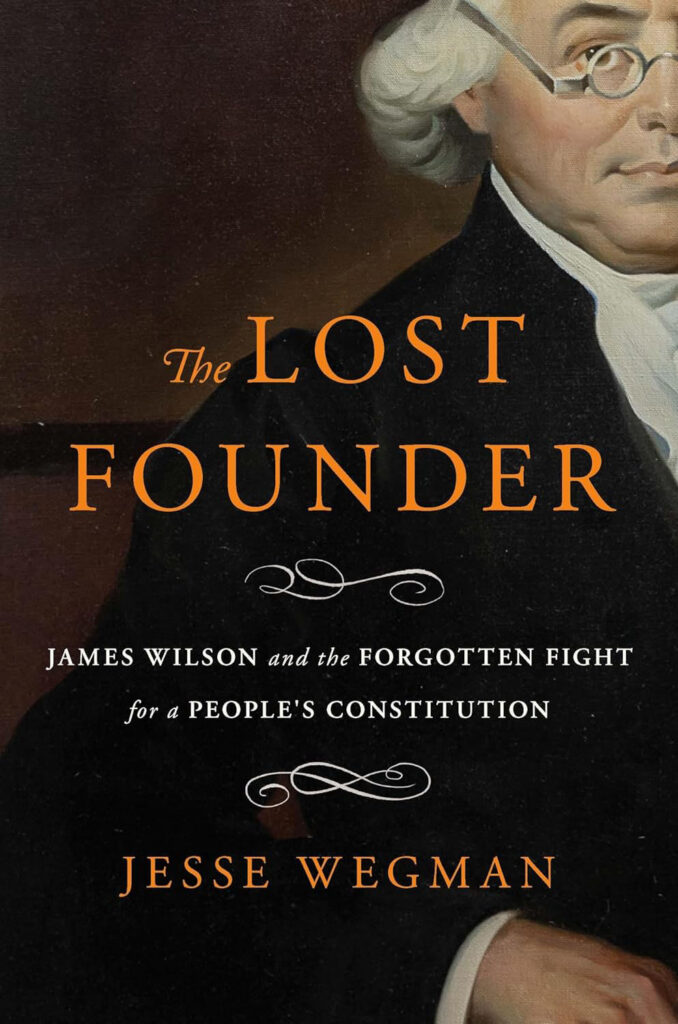
The Lost Founder: James Wilson and the Forgotten Fight for a People’s Constitution by Jesse Wegman
In The Lost Founder, New York Times journalist Jesse Wegman presents a captivating portrait of Wilson and offers an impassioned argument that Wilson’s financial woes and scandals shouldn’t detract from the foundational role he played in America’s legal system.
Dr. Benjamin Rush: The Physician Patriot Who Healed a New Nation
Because Dr. Benjamin Rush was a physician and scientist rather than a politician or lawyer, he’s often left out of the story of America’s founding. However, he served as a member of the Continental Congress, signed the Declaration of Independence, and held a senior medical post as surgeon general of the Middle Department of the Continental Army. A leading voice of the American Enlightenment, Rush believed that a healthy republic depended on the physical and mental well-being of its citizens.
Rush advocated a wide range of social reforms and progressive policies, including women’s education, abolition, the outlawing of capital punishment, and prison reform. He helped pioneer medical education in the United States and also advocated for better treatment of mental illness at a time when few others did so.
Further Reading:
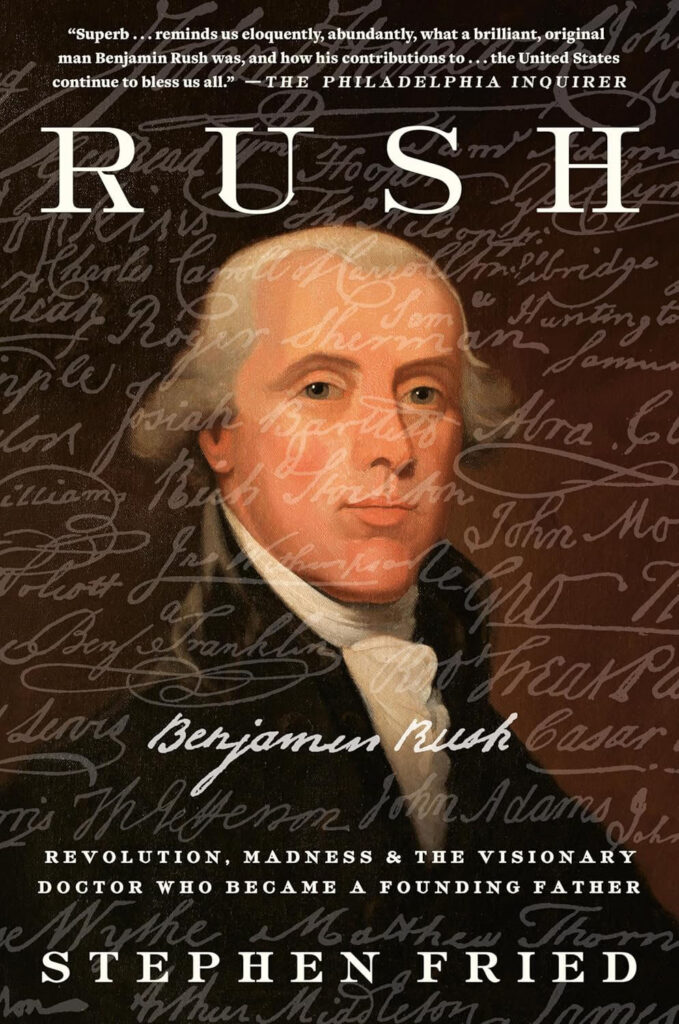
Rush: Revolution, Madness, and Benjamin Rush, the Visionary Doctor Who Became a Founding Father by Stephen Fried
Award-winning journalist and author Stephen Fried adds another acclaimed biography to his list of achievements with Rush, which offers an engaging account of Dr. Rush as both a forgotten revolutionary and a medical visionary.
Robert Morris: The Man Who Bankrolled the Revolution
While Robert Morris, Jr., one of the most financially successful men in North America at the time of the American Revolution, initially opposed the fight for independence from British rule, he later became one of its most prominent financial benefactors. After ultimately signing the Declaration of Independence, he used his fortune to support the Continental Army, often using his own lines of credit on the government’s behalf to keep the war effort going. His money played an essential role in sustaining the Continental Army at Valley Forge and securing victory at the Battle of Yorktown, which ended the war.
George Washington later asked Morris to step up as the nation’s first Secretary of the Treasury. Morris demurred, suggesting the first president ask Alexander Hamilton instead. Nevertheless, Morris helped lead the executive branches of the revolutionary government in its early days, contributing to the country’s economic foundation for public credit and free markets.
Further Reading:

Robert Morris: Financier of the American Revolution by Charles Rappleye
In his sweeping biography of Robert Morris, Charles Rappleye evokes a controversial and powerful figure whose larger-than-life wealth and influence helped pave the way for America to become the global economic powerhouse it is today.
Samuel Adams: The Firebrand Who Sparked a Movement
A radical and idealist who wasn’t afraid to get his hands dirty, Samuel Adams led American protests in the lead-up to the Revolutionary War. Most of us recognize Samuel Adams’s name from the brand of beer, but his influence goes well beyond the successful company that bears his name. He was not much of a businessman, failing to manage the money side of the malted barley business he inherited from his family. Instead, his ambitions lay with political activism. As a member of the revolutionary group Sons of Liberty, he helped lay the groundwork for the Boston Tea Party and other important acts of civil disobedience. After the war, he was eventually elected to the Massachusetts House of Representatives and worked his way up to governor.
Further Reading:

The Revolutionary: Samuel Adams by Stacy Schiff
Pulitzer Prize–winning author Stacy Schiff’s biography, The Revolutionary: Samuel Adams, narrates the life of one of the nation’s most storied fighters in a way that is both entertaining and enlightening.
Mercy Otis Warren: The Revolutionary Scribe
While we regularly celebrate the Founding Fathers, the Founding Mothers are often left out of the historical canon. One who merits greater celebration is Mercy Otis Warren, referred to as the “first female historian of the American Revolution.” Her celebrated plays, poems, histories, and satires, which both detailed and critiqued the lead-up to and aftermath of the Revolutionary War, were widely read and often controversial in her time. While her voice helped spread Enlightenment principles and the cause of American independence, she was also an anti-federalist who advocated strongly for states’ rights and wrote against the adoption of the Constitution, critiques that were part of the broader push for a Bill of Rights. Warren’s work reminds us that critical examination is vital to the building of a new system, though it did make her a few enemies in her day.
Further Reading:
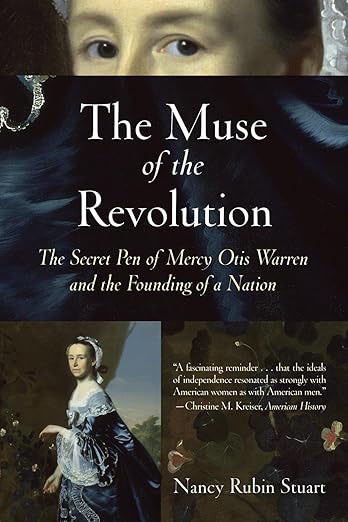
The Muse of the Revolution: The Secret Pen of Mercy Otis Warren and the Founding of a Nation by Nancy Rubin Stuart
The Muse of the Revolution by journalist Nancy Rubin Stuart is a must-read biography for history buffs, focusing on the complicated relationship between Mercy Otis Warren and John Adams, who originally encouraged her to pursue her writing but did not always agree with what she wrote.
Gouverneur Morris: The Constitutional Architect
Known in his time for his social charm and distinctive peg leg, Gouverneur Morris was also a key member of the Constitutional Convention and a member of the Committee of Style that produced the final draft of the Constitution. Tasked with helping shape and refine the document’s language within a short time frame, Morris lent the Constitution some of its most impactful phrasing. For instance, earlier drafts of the Constitution reflected a more state-centered approach; in the final version, Morris helped refine it to “We the People of the United States,” reflecting a clear shift toward a unified national identity rather than a loose confederation of states. While James Madison is often given the bulk of the credit for authoring the Constitution, Morris’s editorial sensibility helped shape the document’s distinctive style and language.
Further Reading:
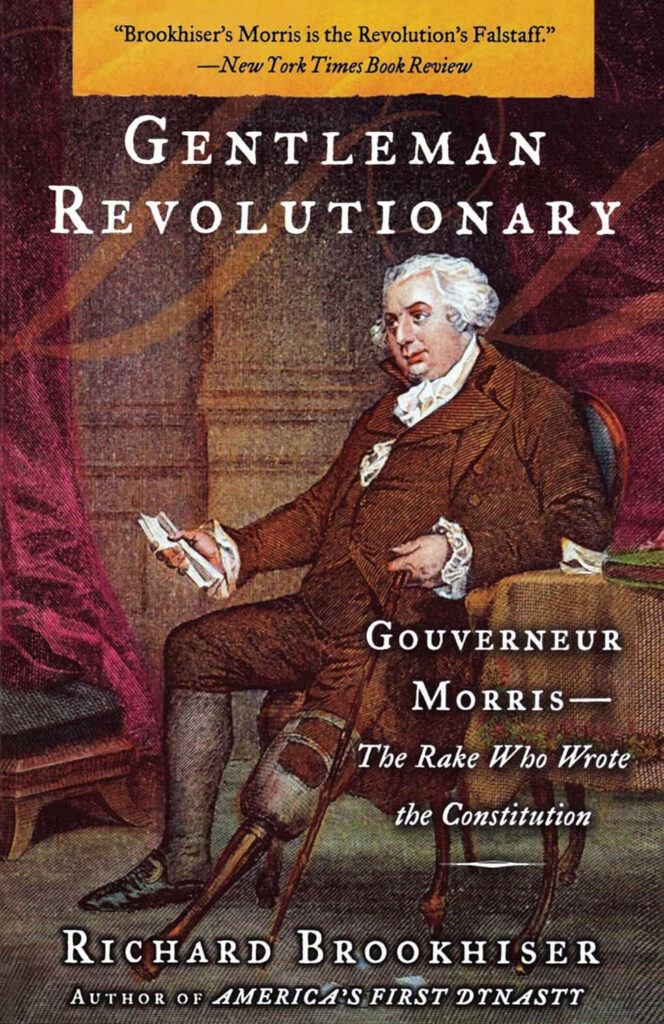
Gentleman Revolutionary: Gouverneur Morris, the Rake Who Wrote the Constitution by Richard Brookhiser
Richard Brookhiser is renowned for his layered retellings of the founding of America. In Gentleman Revolutionary, he sheds light on Gouverneur Morris and his oft-forgotten contributions to the writing of the Constitution.
Abigail Adams: The Voice Behind the Founders
First ladies often stand side by side with their more celebrated husbands, and Abigail Adams was one of our most influential. She was one of the few women in U.S. history to be both married to and the mother of a U.S. president (a distinction she shares with Barbara Bush). Adams drew on her intellectual ability and writing talent to fiercely advocate for women’s rights in the early days of American independence, most famously urging her husband, John Adams, to “remember the ladies” in a 1776 letter written while he was serving as a delegate to the Continental Congress.
The extensive correspondence between Abigail and John has given historians important insight into the social and cultural climate of the Revolutionary period and highlights the important role Abigail played as an adviser to her husband. She’s known for being a much more politically vocal and active First Lady than her predecessor, Martha Washington, and was later known to political opponents as “Mrs. President.”
Further Reading:
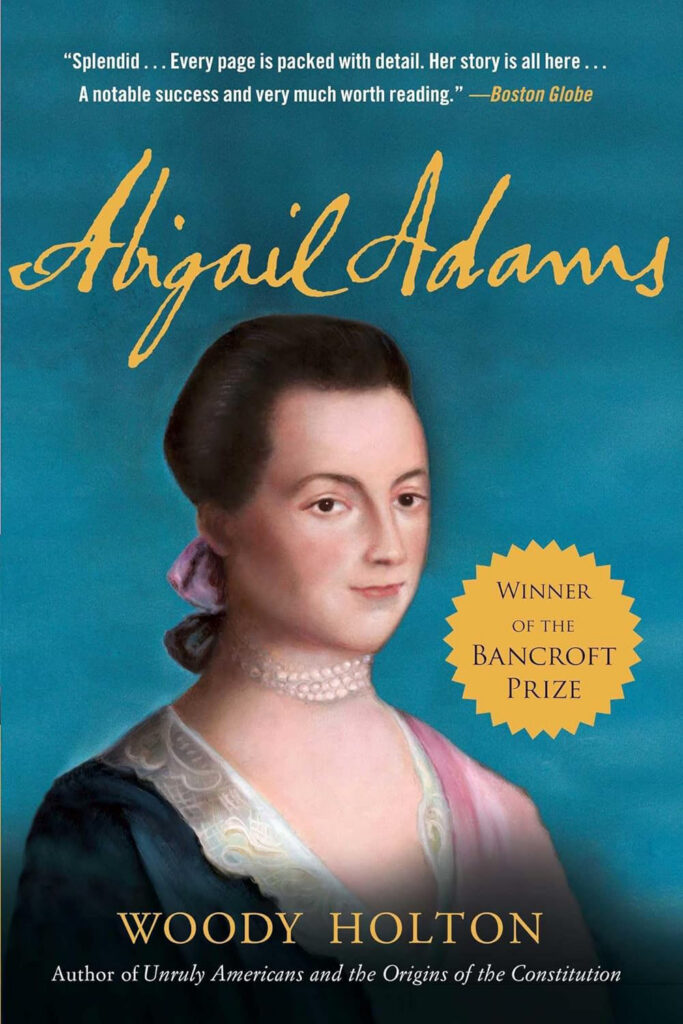
Abigail Adams: A Life by Woody Holton
Historian Woody Holton crafts a vivid biography of our nation’s second First Lady in Abigail Adams: A Life, highlighting her charisma, influence, and advocacy for women’s rights.
Deborah Sampson: A Patriot Soldier in Disguise
While most founders on our list emerged from backgrounds of wealth or political influence, Deborah Sampson came from humble beginnings. After earning her way out of indentured servitude in her teens, she found work as a weaver and teacher. When the Revolutionary War began, Sampson refused to be left out of the cause. She disguised herself as a man named Robert Shurtleff and joined the Fourth Massachusetts Regiment.
For two years, she served in the Continental Army, evading detection until she fell ill and was taken to a hospital, where her true identity was revealed. She was discharged in 1783 and was among the first women to receive a military pension for her service in the Revolutionary Army. Later, she became one of the first women to embark on a lecture tour, regaling audiences with her wartime stories in full military attire.
Further Reading:

Masquerade: The Life and Times of Deborah Sampson, Continental Soldier by Alfred F. Young
Alfred F. Young’s portrait of Deborah Sampson in Masquerade excavates hundreds of years of mythmaking to piece together the truth about the daring woman who posed as a man to fight in the Revolutionary War.
John Jay: Diplomat of the Revolution
History buffs and fans of the musical Hamilton likely recognize John Jay as one of the authors of the Federalist Papers. What you may not know is that he was a preeminent negotiator for the newly formed country who had a hand in everything from ending the war to laying the groundwork for our new legal system. In 1779, he was appointed Minister to Spain, where he worked to secure financial aid for the war effort, though without formal Spanish recognition of American independence. From Spain, he later joined peace negotiations that paved the way for the 1783 Treaty of Paris, which ended the Revolutionary War.
For his negotiating prowess, he was appointed Secretary of Foreign Affairs and later became the first Chief Justice of the Supreme Court. George Washington also sent Jay back to Europe in 1794 to author a treaty resolving lingering issues with Great Britain, commonly known as the Jay Treaty. When he returned, he found he had been elected governor of New York, where he served until his retirement from politics in 1801.
Further Reading:
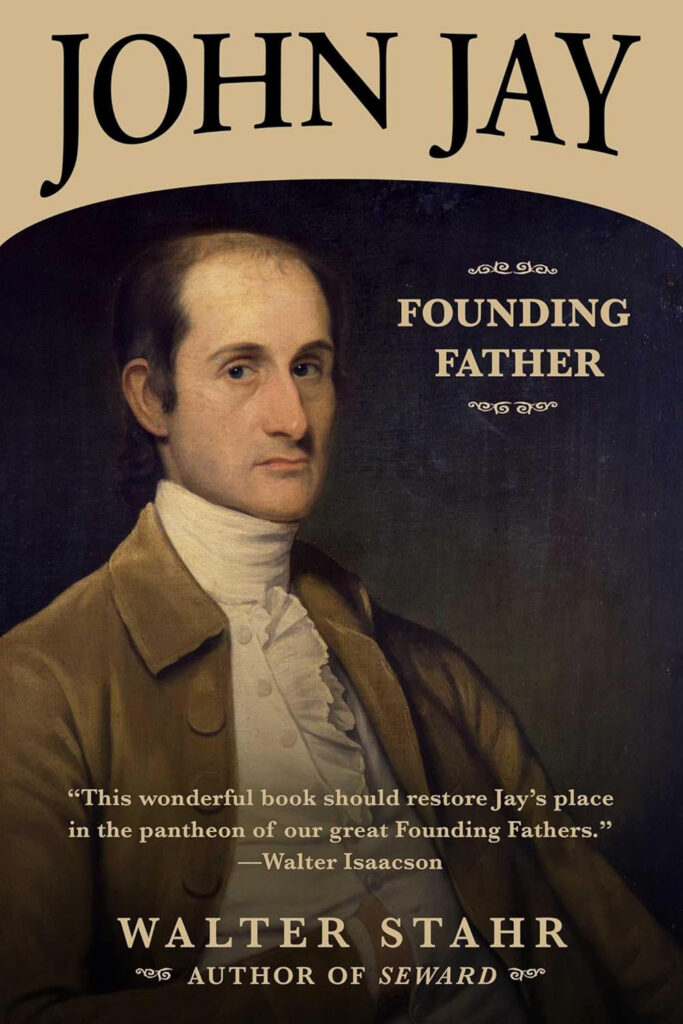
John Jay: Founding Father by Walter Stahr
The definitive biography John Jay: Founding Father, by Walter Stahr, not only gives the influential founder his due but also celebrates the role his wife, Sarah, played in his important diplomatic work.