
What’s in a name? What’s in a genre?
Book genres classify literature based on form, style, or subject matter. They create a handy framework that suggests a narrative’s focus and makes it easier for us to find the books we enjoy.
With so many different genres out there — along with subgenres and more subgenres! — it can be a relief to walk into your favorite bookstore and easily find the section where you’d like to start.
But book genres aren’t supposed to confine you: They’re meant to encourage you to explore new styles and read more literature! Fans of fantasy might find they enjoy magical realism, biography lovers may adore fictional family sagas, and readers of legal thrillers could end up immersed in true crime books.
Exploring a new genre is the first step to finding your future favorite read. That’s why we put together a comprehensive guide to the most popular book genres. With definitions for both fiction and nonfiction — and examples of icons of the genre — our guide will help any reader figure out what they’re craving the next time they’re looking for a new book to open.
Fiction
Bildungsroman
A German word for “novel of education,” a bildungsroman is a story that traces the moral and psychological growth of its protagonist over time. These narratives are often mixed into other genres of novels, from classics to literary fiction and even science fiction and fantasy. Examples include The Adventures of Huckleberry Finn by Mark Twain and To Kill a Mockingbird by Harper Lee.
Classics
These are the famous titles you read in high school or have seen adapted into movies and TV shows more times than you can count. The classics are culturally significant or stylistically innovative works of literature that laid the groundwork for the fiction we’re still reading decades and even centuries later. Examples of classic literature include Jane Austen’s Pride and Prejudice, Charles Dickens’s Great Expectations, or F. Scott Fitzgerald’s The Great Gatsby.
Comic Book/Graphic Novel
You know what they say. . . a picture is worth a thousand words! Graphic novels are book-length works of literature that present their narrative through a sequenced series of illustrations and text. It’s important to note that graphic novels can be works of fiction as well as nonfiction (more on that below). A classic fictional graphic novel is Watchmen by Alan Moore and Dave Gibbons.
Dark Academia
Moody and atmospheric, dark academia novels draw readers into captivating campus settings filled with shadowy libraries, Gothic architecture, and mysterious secret societies lurking in classrooms at night. Mainstays of the genre include The Secret History by Donna Tartt, Babel by R.F. Kuang, and The Maidens by Alex Michaelides.
Domestic Thrillers
The twist to this thriller subgenre is that something is dreadfully wrong about its otherwise familiar domestic setting. Focusing on the darker elements of everyday life — relationship drama and shocking personal betrayals — domestic thrillers often expose the ugly underbelly of suburbia, familial spaces, and what goes on behind closed doors. Popular domestic thrillers include The Housemaid by Frieda McFadden, Locust Lane by Stephen Amidon, and Best Offer Wins by Marisa Kashino.
Family Sagas
With a sprawling cast of characters and narratives that often span years of history, family sagas deliver powerful stories of heartbreak and togetherness. Whether the drama stems from interpersonal issues or some external threat, these relatable novels demonstrate how important family ties truly are. Great examples include What Happened to the McCrays? by Tracey Lange, Pachinko by Min Jin Lee, and Gilead by Marilynne Robinson.
Fantasy
Fantasy novels are often epic in scale and take readers on wonderous journeys filled with extraordinary characters, settings, and lore. Whether they draw from mythology, folklore, or something entirely different, fantasy books push the boundaries of our imaginations and spirit us away to another realm.
Historical Fiction
Set in a specific time period in the past, historical fiction novels tell sweeping, character-driven stories against the backdrop of real historical events. Despite being set years ago, these stories often raise important questions that still resonate today. An example of historical fiction is The Nightingale by Kristin Hannah.
Horror
Horror novels combine the thrill of suspense with the abject terror of monsters and the otherworldly. With their emphasis on frightening creatures and a nightmare-inducing atmosphere, it’s easy to lose yourself in a scary book. Shirley Jackson, Stephen King, and Anne Rice are all icons of the horror genre.
Legal Thrillers
Legal thrillers channel the built-in drama of courtrooms and the law to deliver their gripping narratives. Often set in the hallowed halls of justice, these stories are packed with stern judges, sharp attorneys, cunning prosecutors, and stunning revelations at trial. An example is The Firm by John Grisham.
Literary Fiction
Literary fiction is an ever-evolving umbrella term for reflective, character-driven stories set in the real world. The best literary fiction books often ask big questions about modern life — our relationships, politics, identities — and highlight their author’s distinctive style.
Magical Realism
Magical realism delights in exploring the push–pull interplay between the rational and the extraordinary. Its settings are often grounded in a recognizable version of our world, albeit one in which fantastical elements exist and are taken for granted. Unlike other, more fantastical modes of storytelling, magical realism doesn’t seek to imagine wholly new realms — it strives to capture the wonder and truth of living in our own more vividly. A classic example: One Hundred Years of Solitude by Gabriel García Marquez.
Mysteries & Thrillers
These endlessly engaging — and wildly popular — stories will keep you guessing until the very last page. Mysteries and thrillers are interrelated and contain a dizzying array of subgenre offshoots. In a nutshell, mysteries emphasize a baffling case that needs to be solved, while thrillers are more action-driven narratives steeped in tension, anxiety, and fear. Mysteries and thrillers are both packed with shocking plot twists and duplicitous characters, and they usually open with a crime or other shadowy event. Half the fun as a reader is puzzling out the solution before the main character does!
Noir
A darker twist on the mystery genre, noir novels combine familiar story beats with an emphasis on a bleak and moody atmosphere. Typically set in rough, urban settings with morally gray characters and a grim tone, the stories make it easy to get lost in the shadowy world of noir. A classic example is The Postman Always Rings Twice by James M. Cain. For a more contemporary journey to the dark side, step into the chilling land of Nordic noir.
Psychological Thrillers
A popular subgenre, psychological thrillers delve into the darkest corners of the human mind. They feature protagonists and antagonists driven by obsession or violence, with an emphasis on internal tension and conflict. Popular psychological thrillers include Gone Girl by Gillian Flynn and The Silent Patient by Alex Michaelides.
Romance
Romance is a deliciously popular genre with a captivating variety of subgenre offshoots. Naturally, the ups and downs of relationships are at the heart of all romance novels. The heated drama that unfolds is sexy, breathtaking, and impossible to put down.
Rom-Com
A subgenre of romance, rom-coms emphasize the comedic side of love and are often lighter in tone. With endearing characters, delectable meet-cutes, and witty dialogue, there’s no better book to lift your spirits.
Sci-Fi
Sci-fi is an out-of-this-world speculative genre that transports readers through time and space. Like the mystery and fantasy genres, it contains a dazzling constellation of subgenres. Hard sci-fi stories focus on scientific accuracy and technical details, while other types happily bend the laws of the universe to imagine their futuristic narratives. Sci-fi is often discussed alongside speculative fiction (more on that below). Beloved sci-fi narratives include Frank Herbert’s Dune or The Martian by Andy Weir.
Short Stories
Stuck in a rut with a stack of unfinished novels on your nightstand? A short story collection might be just the thing to get you excited again. Short stories offer vivid fiction filled with lively characters and evocative settings, all in a fraction of the length of a novel. They’re perfect for when you’re on the move and have only a brief window to enjoy some literature.

Speculative Fiction
Considered a super genre because of the various styles it can encompass, speculative fiction covers any otherworldly narrative — from sci-fi and dystopian tales to superhero stories — that strays from realistic storytelling set in the reality we know. They often take place in near-future worlds that feel oddly familiar one moment and disturbingly alien the next. A prime example of speculative fiction is The Handmaid’s Tale by Margaret Atwood.
Southern Mysteries
As suggested by their name, Southern mysteries are set amid the vivid, haunting atmosphere of the Southern United States. Oftentimes dealing with uniquely Southern history, lore, and culture, these mysteries will transport you to a haunting time and place. Examples of stellar Southern mysteries include Razorblade Tears by S. A. Cosby and The Kingdoms of Savannah by George Dawes Green.
Supernatural Thrillers
These twisted tales combine the pulse-pounding pace of a thriller with the otherworldly terrors of horror fiction. Supernatural thrillers are dark, disturbing, and sure to keep you reading long into the night. Thrilling examples include The Burning Girls by C. J. Tudor, The Outsider by Stephen King, and The Whisper Man by Alex North.
Translation
Novels in translation are works of fiction written in one language — often the author’s native tongue — and later translated to another. Reading a novel in translation is a great way to learn more about other cultures and get a taste of styles beyond what’s popular in your home country.
Nonfiction
Autobiography
An autobiography is an account of a person’s life written by the subject and spanning most of their life. An excellent example is Becoming by Michelle Obama.
Biography
A biography is a deeply researched narrative that chronicles a real person’s life, written by someone else. Reading a biography offers a uniquely intimate way to learn about someone’s journey, whether they’re a politician, a movie star, or a fascinating figure nearly lost to history. Must-read entries in the genre include Alexander Hamilton by Ron Chernow, The Immortal Life of Henrietta Lacks by Rebecca Skloot, and The Lost Founder by Jesse Wegman.
Food Writing
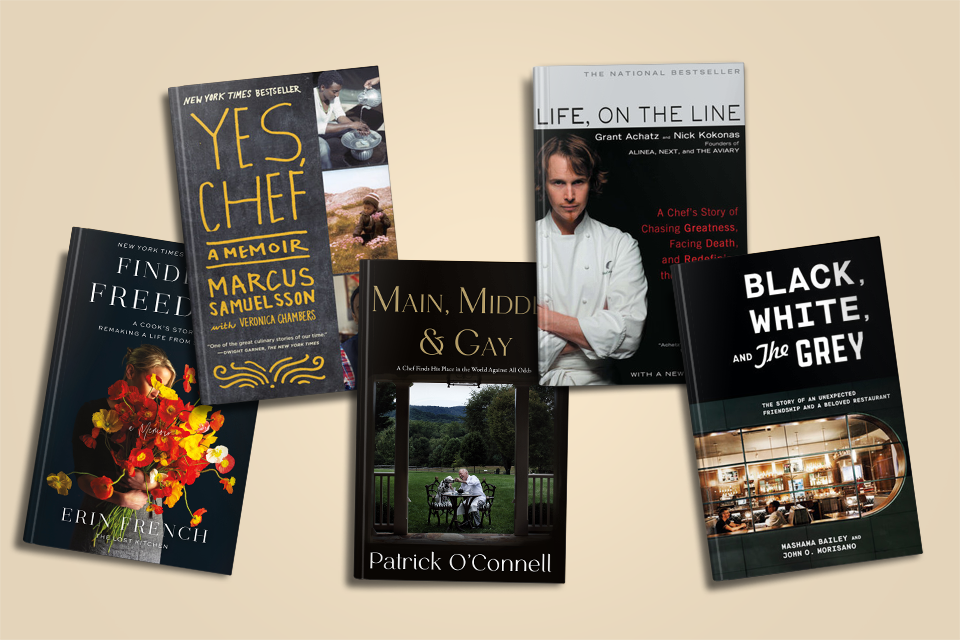
Who doesn’t delight in a great food-related narrative? Food writing spans sumptuous cookbooks and revealing celebrity chef memoirs to in-depth culinary histories and books for foodies. They often combine delicious descriptions with mouthwatering photography and personal connections to the dishes on the page. Great examples include Finding Freedom by Erin French, Kitchen Confidential by Anthony Bourdain, and Salt, Fat, Acid, Heat by Samin Nosrat.
Graphic Novel (Nonfiction)
As mentioned earlier, graphic novels tell their story through a series of ordered illustrations and text — and this applies to nonfiction graphic novels too! A few brilliant nonfiction graphic novels and memoirs include Fun Home by Alison Bechdel, Persepolis by Marjane Satrapi, and You Can Never Die by Harry Bliss.
History
History is a broad nonfiction genre of thoroughly researched accounts that chronicle the people and cultures of the past. The best part: There’s likely a history book written for any topic you can imagine — from works on ancient civilizations and American history to defining moments in pop culture.
Humor
Often penned by comedians and ranging from memoirs and essays to cartoon collections, humor books deliver laugh-out-loud funny, page after page. Hilarious examples include Bossypants by Tina Fey, Why Not Me? by Mindy Kaling, and Number One Is Walking by Steve Martin and Harry Bliss.
Memoir
Related to autobiographies, memoirs are works in which authors tell their own stories. The key difference is scope; they can range from a complete life story to a series of small moments. Memoirs are known for their heightened vulnerability, candor, and unique insights into life. Examples of memoir include Just Kids by Patti Smith and Hollywood Park by Mikel Jollett. Bonus: Memoirs also make great book club books!
Narrative Nonfiction
Works of narrative nonfiction draw on the literary methods of fiction to present well-researched true-life narratives. They’re also referred to as literary nonfiction or creative nonfiction. The best narrative nonfiction books aim to entertain as much as inform by building a compelling story around their central subject. Key examples include Unbroken by Laura Hillenbrand, Devil in the White City by Erik Larson, and You Have to Be Prepared to Die Before You Can Begin to Live by Paul Kix.
Politics & Current Affairs
Politics and current affairs books delve into the systems, laws, and leaders that influence civic life, providing in-depth analyses of political developments shaping our world.
Self-Help
Sometimes the most engaging reads come in the form of advice. Self-help books are all about expanding your horizons, learning from experts in their fields, and bettering yourself. They can span books about productivity to books on improving your relationships.
Sports
Fans are drawn to sports not just for the drama on the field but for the real-life people behind the game. Books about sports capture the grit and determination of athletic life and tell the stories of the superstar athletes who give it their all to achieve greatness.
True Crime
As the name suggests, true crime chronicles gripping real-life stories of crime, its victims, and its perpetrators. The best true crime books channel this dark subject matter into character-driven stories that ask big questions about the crime and society at large. Examples of acclaimed true crime narratives include In Cold Blood by Truman Capote, I’ll Be Gone in the Dark by Michelle McNamara, Unmasked by Paul Holes, and Last Call by Elon Green.
Science
Science books take readers on a fascinating journey through the universe and the wonders of our natural world. The best science books illuminate facts and also reveal the extraordinary human stories behind them.
Travel
From in-depth guidebooks to travel memoirs, travel books provide valuable insights into destinations around the world. Whether you’re planning your own trip or simply want to enjoy some armchair adventure, they offer a great way to immerse yourself in distant places and enjoy the pleasures of life on the road.