There’s a technique in astronomy called “averted vision,” where you look slightly to the side of a faint star in order to inspect it. Something to do with the makeup of cells in our eye means it’s easier to see the star like this, rather than staring straight at it (if you haven’t experienced this, try it tonight). I find a similar thing happening with blurry topics, like AI.
I wrote Sike speculatively, before ChatGPT broke, and imagined a young couple living in a world where AI and smartglass technologies were good enough to drastically change their interaction with psychotherapy. I imagined this world as one that had already integrated AI, and that had got past its initial burdens, benefits, hopes, and fears. What would be altered in this world, and what would be the same?
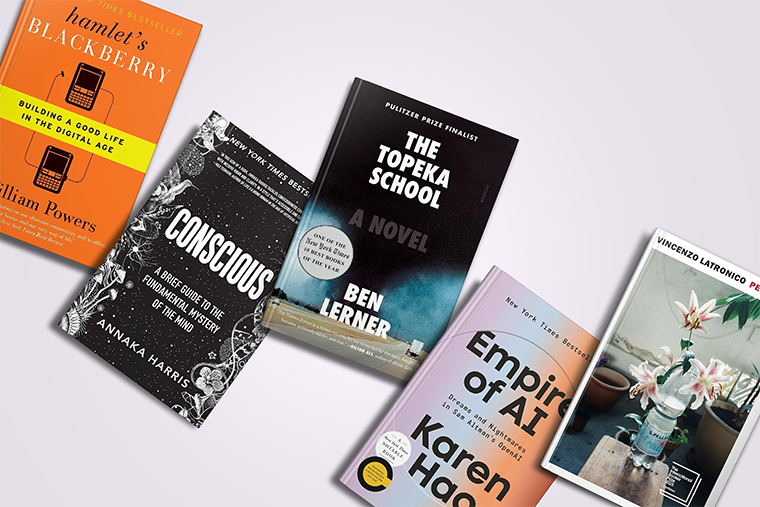
The question of what a new technology changes is one of the messiest we face today. My work since 2020 in AI research and strategy has offered up only vague ideas. There are some excellent books, both fiction and nonfiction, that stare right at AI to try and answer parts of this question. Here are five books that let you look slightly to the side of it, with averted vision, to build a sense of a world with AI.

Perfection by Vincenzo Latronico
Two graphic designers move to Berlin in the early 2010s and live in thrall to the social media markers of hipster glamour: distressed stucco, fire-roasted cauliflower, shimmering monsteras. They code, cook, party, and share memes. I found this a monumental tale of digital emptiness, where Latronico explores a culture and profession that his protagonists begin to wonder if AI will replace.
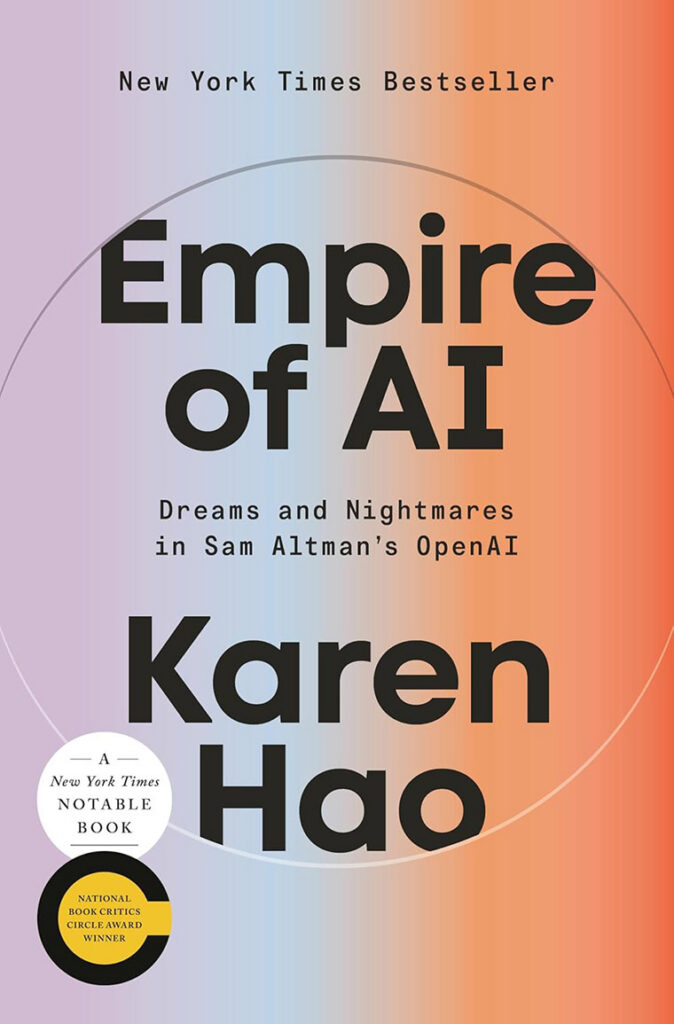
Empire of AI: Dreams and Nightmares in Sam Altman’s OpenAI by Karen Hao
Arguably Hao’s book stares pretty hard at AI itself, but I find it most fascinating for illuminating a surreal sidenote to do with technology’s very public–private nature. AI involves itself with our most private selves. It is a public conversation, delivered by the world’s biggest companies and their very public founders who do things based on their own private ideologies, neuroses, and jealousies with public and private consequences.
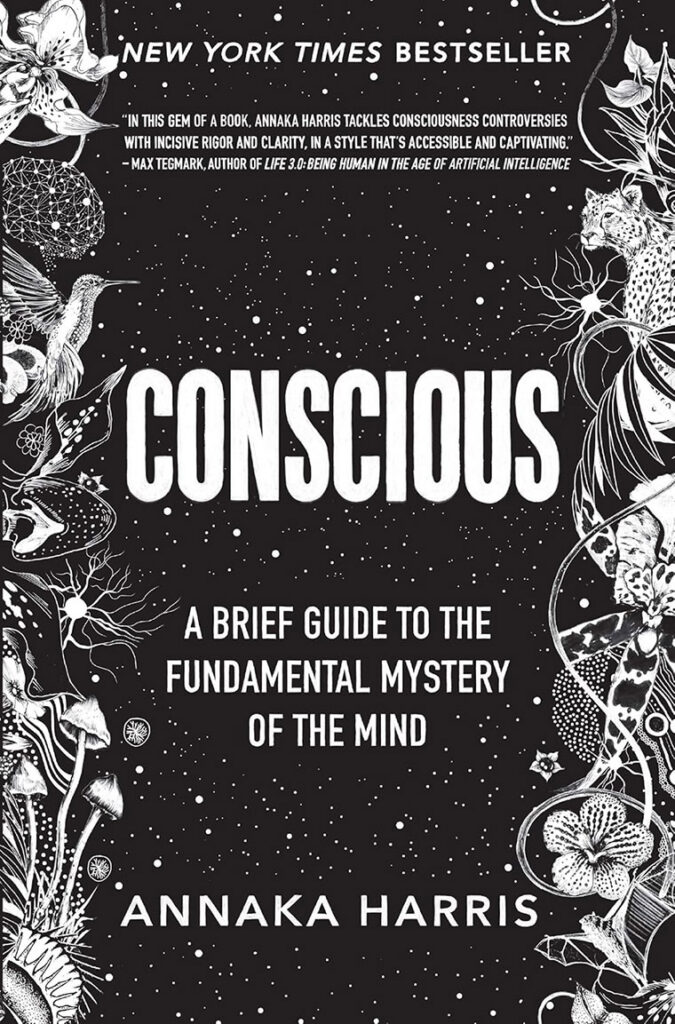
Conscious By Annaka Harris
While contemplating artificial consciousness, I read this prompter on human consciousness. Harris delivers the recent research on an endlessly deviating topic with clarity and electricity. It’s a short book that takes a while to read because every sentence makes your mind somersault, and it reminds you how much more complex the human brain is than algorithms.

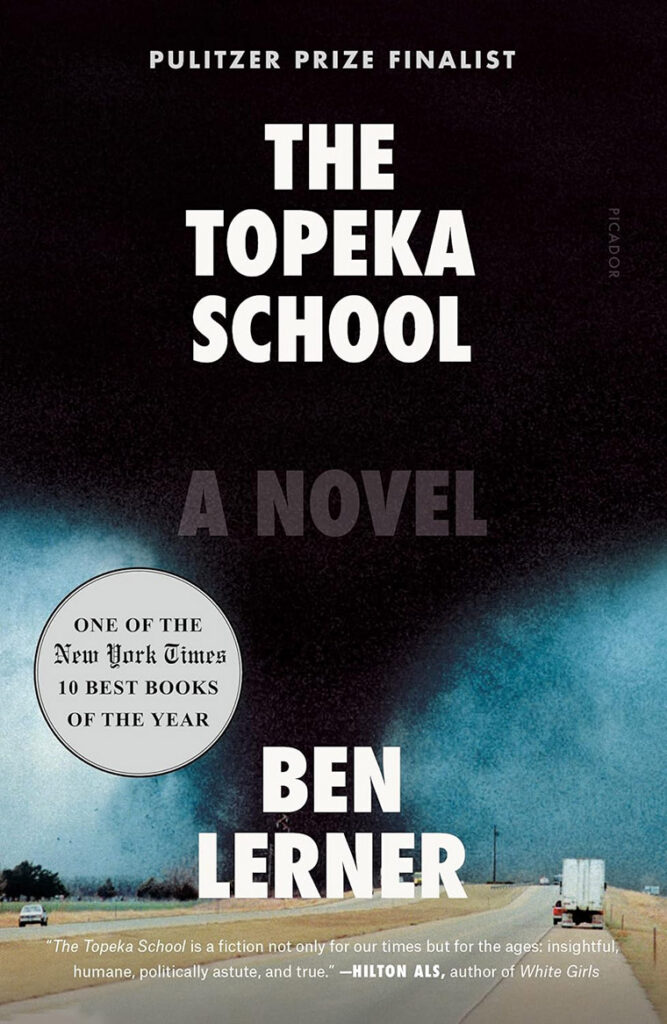
The Topeka School by Ben Lerner
“We thought that if we had a language for our feelings, we might transcend them,” Lerner writes. You could say that psychology is another technology we both hope and fear will know everything, and this novel looks at characters who hold outsize expectations for its magic language. I’m a particular fan because, like Sike, it brings together psychology and rap.
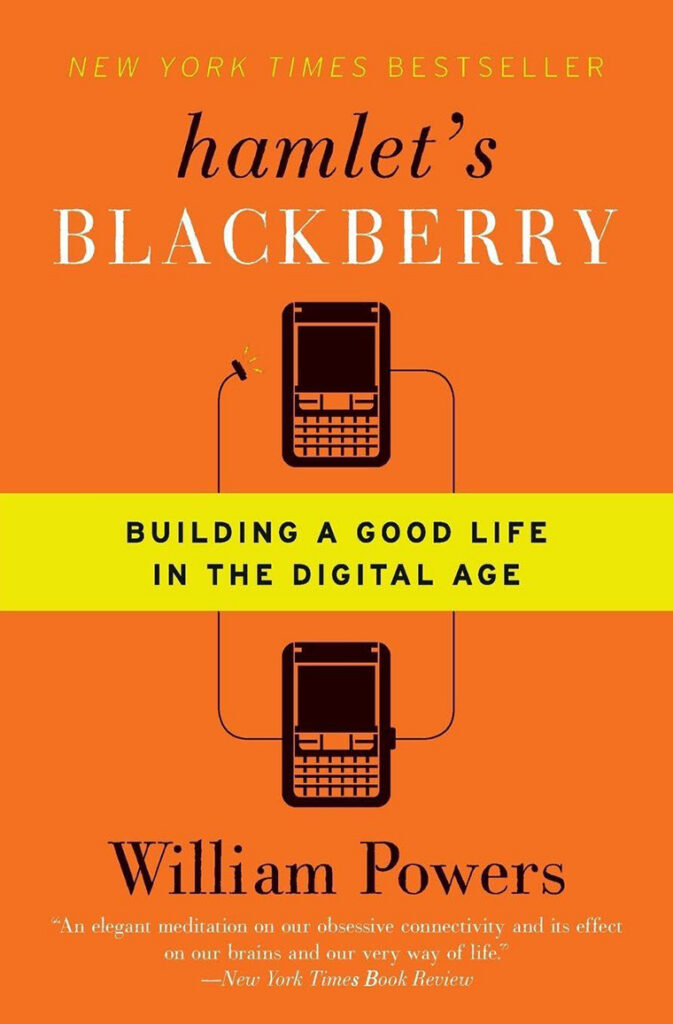
Hamlet’s Blackberry by William Powers
We’ve seen it all before! Powers looks at practical ideas from great thinkers at moments of technological change, exploring their reactions and conclusions, and applying them to the over-connectedness of the smartphone era. His argument that we need a new philosophy for tech feels more pertinent today than ever for quelling what Seneca called “the restless energy of the hunted mind.”

By Fred Lunzer
Fred Lunzer is the author of Sike.
Fred Lunzer was born in London in 1988. He moved to Tokyo at age six, and lived there on and off as a child and adult. His work in business and AI strategy crossed fields that include life sciences, music, ethics, and gastronomy, and he completed an MBA in Barcelona in 2019. Throughout, he wrote journalism, short stories, poetry, and novels. He holds British and German citizenship, and lives in London.