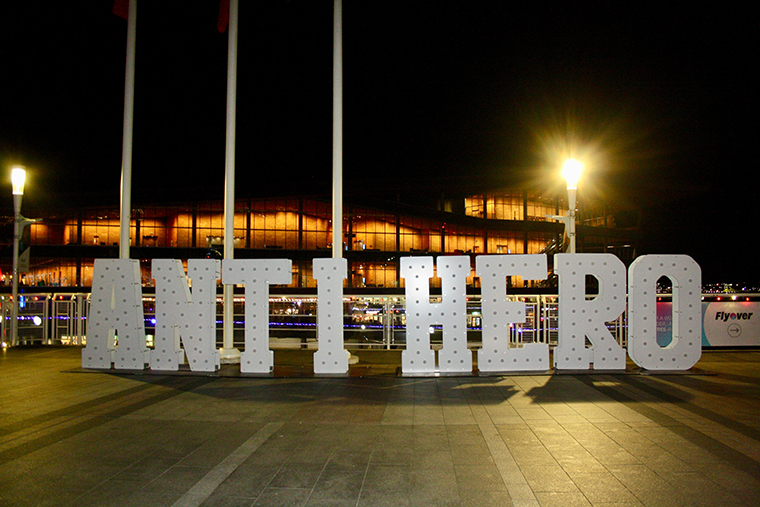
While it’s easy to root for a virtuous hero or a straightforward protagonist, it’s the anti-heroes who captivate us the most. After all, great literature thrives on thorny moral quandaries and the complexities of human nature — and anti-heroes are perfect for such compelling narratives.
Plus, let’s face it: Anti-heroes are cool. They command our attention and make for great book club debates. We love to hate them, and we can’t look away. On one page, we’re shocked by their behavior; on the next, we’re cheering them on. Even when an anti-hero does something truly outrageous, part of us understands why they choose to do it — and maybe even sympathizes with them.
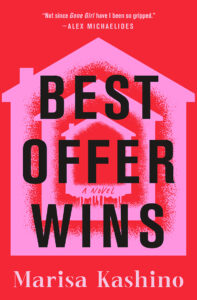
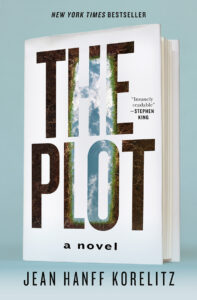
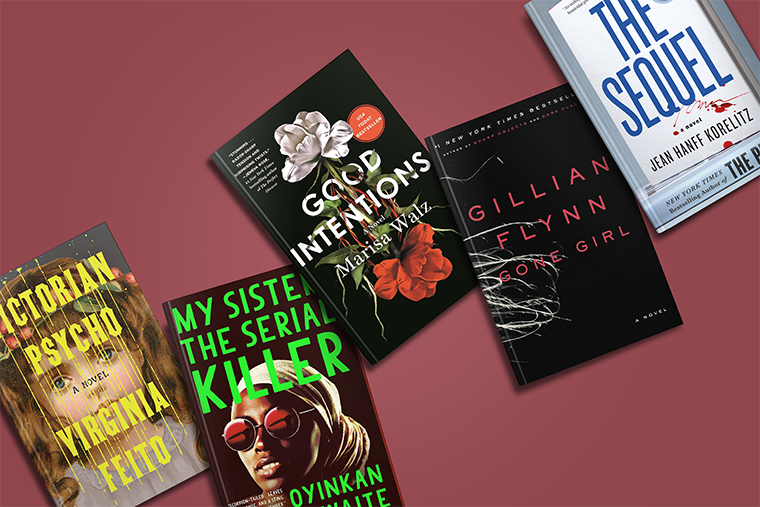
Anti-hero novels are enjoying a surge in popularity, particularly dark satirical stories that use anti-heroes to explore the fractures and failings in contemporary society. Books like Marisa Kashino’s debut thriller Best Offer Wins (which follows a desperate buyer in today’s housing market crisis) and Jean Hanff Korelitz’s The Plot (about a struggling professor who will do whatever it takes to salvage his career) feature anti-heroes pushed to their limits by societal pressures and personal fears of failure. Both novels ask how far you would go to survive in a fiercely competitive system that seems designed to keep you down.
Sound relatable? We certainly think so! But what defines the anti-hero and makes them such an enduring character? Let’s explore this complicated and often misunderstood figure together!
What Is an Anti-Hero?
An anti-hero is a main character that we root for despite their obvious flaws, bad behavior, or seeming immorality. While this may sound like a sympathetic villain, an anti-hero is first and foremost the protagonist of the story with whom the reader is asked to identify. The anti-hero’s actions drive the narrative through the pursuit of a goal, though the goal may or may not be a noble one.
If virtuous heroes are defined by their positive traits, anti-heroes are defined by their flawed characteristics. Anti-heroes may change, but they don’t overcome their imperfections. This doesn’t mean that all anti-heroes lack a moral compass or set of ethics. Although anti-heroes tend to make questionable ethical choices — and indeed may make the “wrong” decision more often than not — such choices are usually consistent with some internal code or the result of societal pressures or a tragic backstory.
For instance, Lisbeth Salander in Stieg Larsson’s The Girl with the Dragon Tattoo is violent, brooding, and closed off. Yet her actions stem from the violence she has endured and her desire for revenge and justice for women and victims of gendered violence.
What Makes an Anti-Hero Different from a Villain?
Simply put, anti-heroes are still heroes in some way. The narrative asks us to follow them. We root for them, even when it’s uncomfortable or conflicting to do so, and find them relatable.
What’s interesting is that an anti-hero might still be the villain in another story, and vice versa. For instance, in Wicked, Gregory Maguire takes the well-known villain from The Wizard of Oz — the Wicked Witch of the West — and tells the story from her perspective, inviting readers to sympathize with a character previously deemed wholly villainous.
What Characteristics Do Anti-Heroes Embody?

Anti-heroes defy societal norms, whether ethical, moral, or philosophical, while telling themselves they’re acting rationally or according to their own set of beliefs. They question the rules of society, often exposing its shortcomings and hypocrisy along the way. They don’t feel much remorse for their actions, are usually motivated by self-preservation, and are often cynical or pessimistic about themselves or the state of the world.
Chris Heckmann at StudioBinder.com argues that there are three kinds of anti-heroes, each characterized by their different motivations:
- Moralistic anti-heroes are driven by an inner sense of justice or a set of codes in response to their own or others’ victimization within a corrupt system;
- Rejected anti-heroes are outsiders of the system who try and fail to fit in with society;
- Corrupt anti-heroes are driven by selfishness, greed, and desire for personal power and wealth. These are generally the least sympathetic — and the most challenging to pull off — as they have no redeeming backstory to explain their destructive behavior yet still need to be charismatic or fascinating to maintain audience interest.
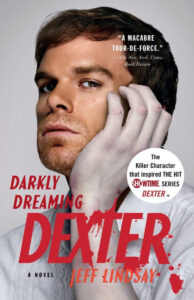
No matter their subtype, all anti-heroes embody traits that are both rewarded and discouraged by society. This tension is precisely why we find anti-heroes so compelling. Dexter Morgan, the central character in Jeff Lindsay’s beloved Dexter series, is a serial killer who targets other serial killers. Damon Salvatore, a central character in L. J. Smith’s Vampire Diaries series, is murderous, arrogant, and selfish. Yet he’s also charismatic, loyal, fiercely protective of those he loves — and very good-looking.
A (Brief) History of the Anti-Hero
Merriam-Webster notes 1714 as the first known use of the literary term “anti-hero.” That said, the idea of a morally gray character at the center of a story is as old as storytelling itself.
Heathcliff from Emily Brontë’s Wuthering Heights (1847), Don Quixote from Miguel de Cervantes’s Don Quixote (part one, 1605), and even Odysseus from Homer’s The Odyssey (late 8th or early 7th century BC) can be understood through the anti-hero lens.
By the early 20th century, as literary fiction grew more complex and naturalistic in its exploration of morality in modern life, anti-heroes became increasingly common. Classic novels like F. Scott Fitzgerald’s The Great Gatsby (1925), J. D. Salinger’s The Catcher in the Rye (1951), and Muriel Spark’s The Prime of Miss Jean Brodie (1961) are all celebrated for their anti-heroes.
And the rise of the anti-hero isn’t confined to the written word: Popular films and television are full of anti-heroes, reveling in their alluring psychological depth. Tony Soprano — the brutal Mob boss who pours his heart out in therapy in HBO’s landmark 1990s drama The Sopranos — stands as one of modern television’s defining anti-heroes. The popularity of the show signaled a new age of anti-hero TV programming that continues through to this day, from Don Draper in Mad Men and Walter White in Breaking Bad to the morally ambiguous cast of characters in The White Lotus.
What Are the Best Books with Anti-Heroes?
If you’re looking for your next great read that defies simplistic moral binaries, these standouts in the genre are a perfect place to start. It’s not surprising that many of these have been adapted for film and television, because anti-heroes make for the kind of complex, compelling stories that audiences adore.